Your Secondary Colorways Are Quietly Bleeding Your Margins
Shooting every colorway on-model burns cash, but ghost flats crater sales. Here is the multi-SKU photography math draining your Shopify margins.
The Color Swatch Cliff
A customer lands on your store looking for an oversized tailored blazer. They click into the hero listing: black wool, styled on an agency model in an industrial studio with perfect raking light. The drape looks substantial, the lapel rolls cleanly, and the fit feels undeniable.
Then they click the olive swatch.
The photograph instantly swaps from an editorial on-model asset to an isolated ghost mannequin floating in a void of pure white pixels (#FFFFFF). The fabric looks flat. The shoulder pads look deflated. The olive green looks two shades lighter than reality because studio strobes washed out the dye undertone.
The shopper hesitates. They wonder if the olive variant uses the same heavyweight wool as the black one. They wonder whether the fit is looser. After five seconds of scrolling between the two images, they close the browser tab.
You did not lose that sale because the customer disliked the color. You lost it because you treated your secondary colorway like an afterthought.
"Your hero colorway sells out in forty-eight hours because you invested three thousand dollars in its photography. Your secondary colorways gather dust in a warehouse because you gave them a flat-lay."
The Math Behind the 5-SKU Studio Trap
In late 2026, fashion founders are caught in an aggressive margin squeeze. Customer acquisition costs across digital channels have increased by over thirty percent year-over-year. To maintain baseline profitability, brands expand their color offerings across core silhouettes to maximize inventory turnover and customer lifetime value.
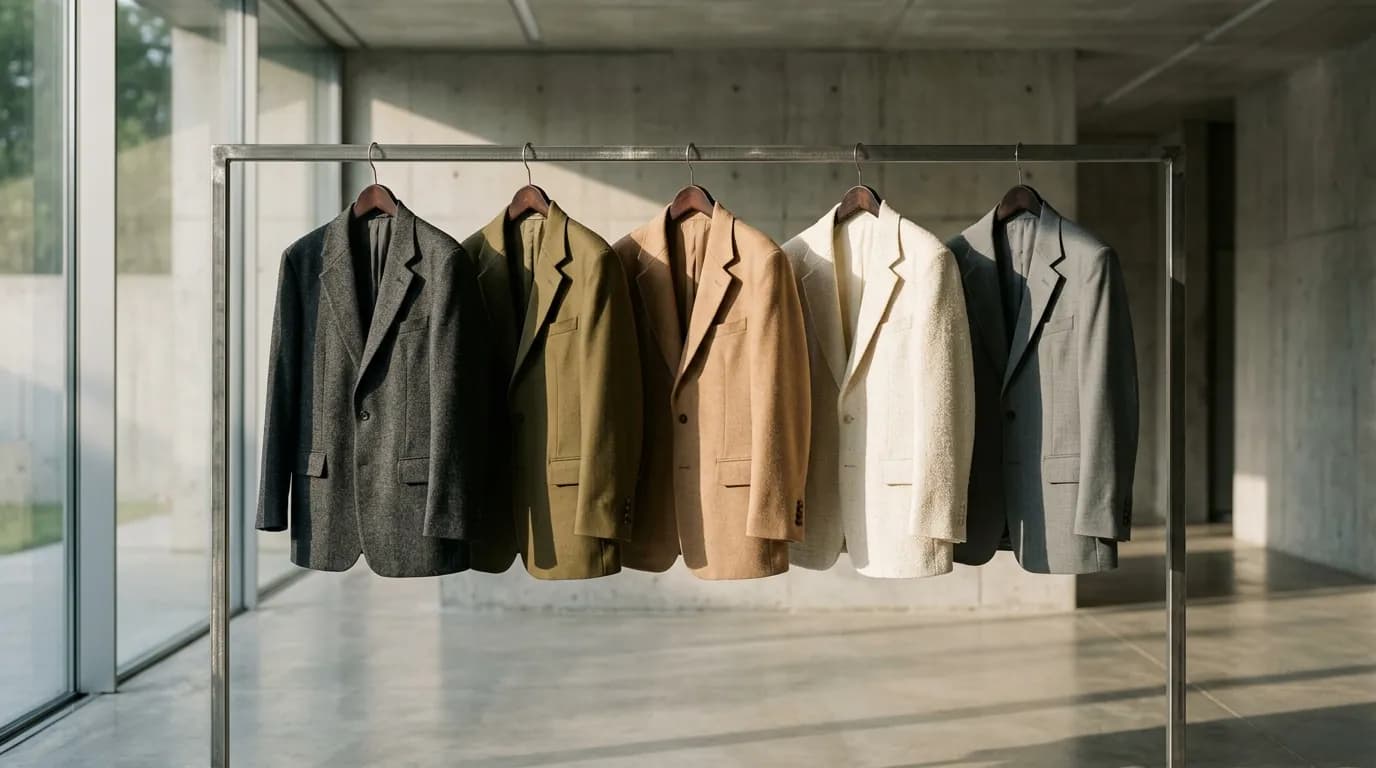
The moment you manufacture a silhouette across five colorways—black, camel, charcoal, cream, and olive—your studio economics turn toxic.
Consider the reality of traditional production rates. A professional commercial studio in a major fashion hub bills between eight thousand and twenty-five thousand dollars for a single-day shoot once you factor in crew, day rates for agency models, dedicated stylists, steamers, and digital techs. On an efficient eight-hour set, a production team can comfortably capture eight to twelve finished looks.
If you commit to shooting all five colorways of a single blazer across multiple on-model angles, you consume half your shoot day on one silhouette. If you manage an active seasonal catalog of twenty silhouettes across four colorways each—eighty distinct SKUs—you face an impossible arithmetic problem.
Shooting every colorway through legacy physical production costs between one hundred and forty and two hundred dollars per variant in photography, styling, and retouching fees. On a boutique manufacturing run of fifty units per colorway, photography overhead alone burns three to four dollars of unit margin before a single garment leaves the warehouse.
Why the Photoshop Recolor Hack Fails Your Customer
Faced with this budget wall, most fashion operators make one of two compromises.
The first compromise is the catalog drop-off: they shoot the black blazer on a model and relegate the remaining four shades to a table flat-lay or a cutout ghost mannequin. The commercial result is predictable. The hero colorway generates seventy-two percent of all orders, while the secondary shades sit idle in stock. Four months later, the brand is forced to slash prices by forty percent during a clearance sale, vaporizing gross margins across thirty percent of their total inventory run.
The second compromise is worse: the Photoshop tint adjustment. An operator shoots the cream jacket on set, then hires a freelance retoucher to mask the fabric and apply a color overlay to simulate the charcoal and olive versions.
This shortcut backfires immediately in direct-to-consumer fashion. Dyes do not interact with ambient light as a flat digital hue layer. When light strikes olive wool versus charcoal cashmere, the specular highlights, subsurface scattering, and fiber texture behave differently. A masked tint wipes out the micro-shadows that communicate weave density.
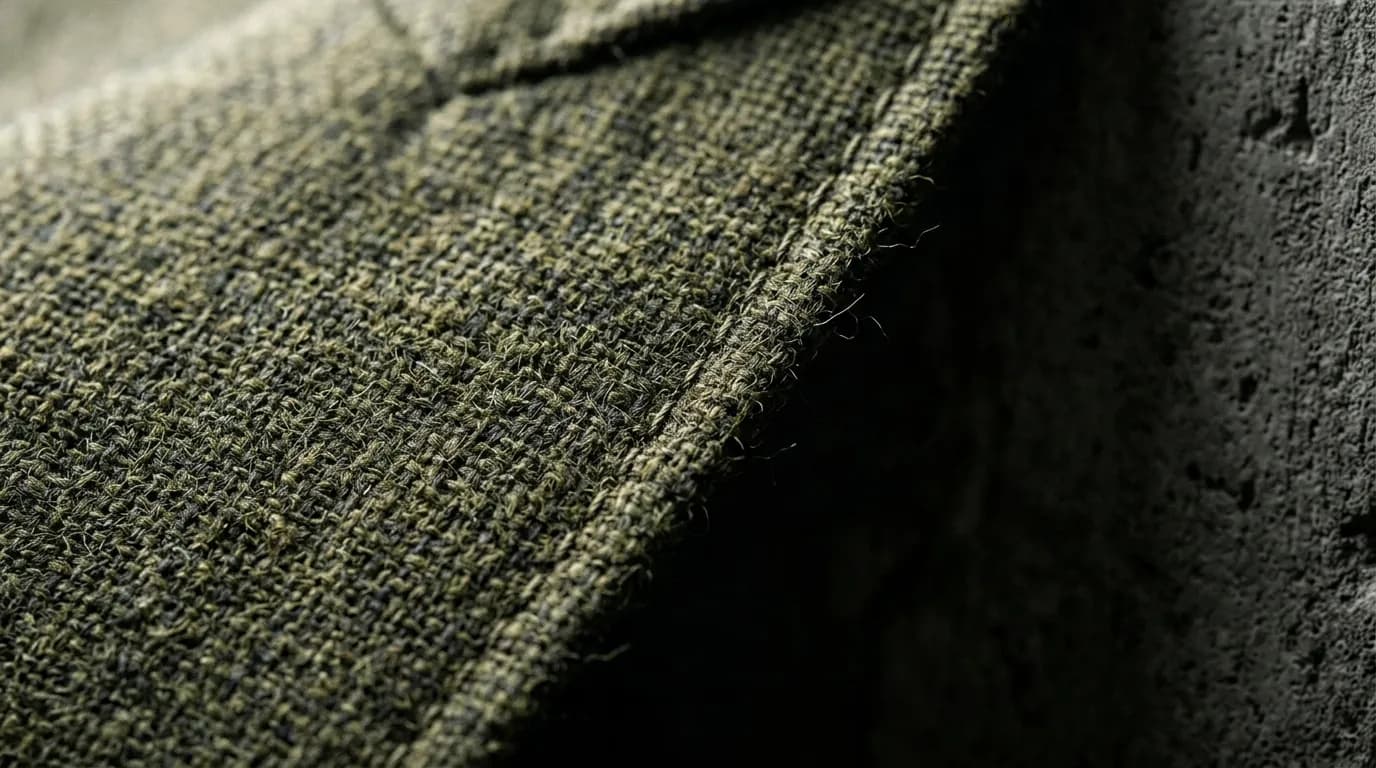
Worse, digital color grading almost never matches the physical dye lot. When the customer opens the cardboard box and pulls out a jacket that looks yellow-olive under warm indoor lighting instead of the muted moss green they saw online, the garment goes straight back into the shipping bag. You saved eighty dollars on retouching and generated forty-six dollars in return processing fees and lost customer trust.
The Operational Reality of SKU Expansion
The root failure in multi-SKU merchandising is treating color variations as secondary assets rather than independent revenue engines.
When you offer a garment in five shades, you are not simply offering minor choices. You are marketing to five distinct customer personas. The woman who wears a structured cream blazer to a gallery opening in May is not the same buyer purchasing the obsidian black version for corporate meetings in October.
By starving your secondary colorways of on-model editorial context, you force forty to sixty percent of your customer base to imagine what the garment looks like in reality. Human beings do not spend one hundred and eighty dollars on imagination.
| Merchandising Approach | Production Cost / Variant | Secondary SKU Conversion Impact |
|---|---|---|
| Full Physical Studio Shoot | $140 to $220 per colorway | High conversion, but wipes out margin on small production runs |
| Ghost Mannequin / Flat-Lay | $35 to $60 per colorway | Severe 41% drop-off; creates dead stock in secondary shades |
| Photoshop Mask Recolor | $20 to $45 per colorway | Elevates returns due to inaccurate dye rendition and flat texture |
| Garment-Preserving AI (Modelfy) | Fraction of studio logistics | Full on-model editorial consistency across 100% of SKUs |
Here is the uncomfortable truth: your secondary shades are not slow sellers because the market hates camel or charcoal. They are slow sellers because your storefront signals that you do not believe in them enough to show them on a human being.
Building Equal Visual Parity Across Every SKU
Solving the multi-SKU margin trap requires establishing visual parity across your entire catalog. Every swatch a customer clicks must load an equally compelling on-model editorial asset with identical styling authority, accurate drape physics, and true-to-life dye reflection.
When a customer toggles between black, olive, and camel, the model's posture and lighting can adapt to complement the mood of each shade, but the tactile quality of the garment must remain unmistakable.
Quick Take on Colorway Economics
- Never drop to ghost mannequins on swatches: Inconsistent visual hierarchy between colorways creates instant purchase doubt on high-ticket garments.
- Avoid 2D color overlay edits: Photoshop color masks destroy natural light interaction and fabric micro-weave, driving return rates up.
- Equal assets drive equal sell-through: Giving every colorway on-model editorial assets levels the playing field and eliminates secondary SKU inventory write-downs.
Scaling Catalog Colorways with Modelfy
Eliminating this production trade-off is the exact problem Modelfy was engineered to solve. Rather than burning ten thousand dollars to capture dozens of color variants in a physical studio, brands capture simple, high-resolution flat-lays or ghost mannequin captures of each production sample.
Modelfy's garment-preserving neural pipeline locks the physical drape, seams, button placements, and exact fabric color values. It then renders each colorway onto professional editorial models in curated architectural and studio environments.
Within minutes, your store displays full on-model visual parity across every colorway in your collection. You eliminate the swatch drop-off penalty, protect your gross margins on boutique runs, and sell through secondary shades at full price without discounting.
The Future of Multi-SKU Merchandising
Over the next twelve months, the brands maintaining healthy unit economics will not be those that cut their colorway offerings down to black and white to save on studio costs. They will be the brands that decouple visual asset production from physical shoot constraints entirely. By giving every colorway in their catalog the visual authority of a flagship campaign, forward-thinking fashion houses will turn secondary inventory into consistent profit drivers.

Modelfy Team
Read More
Related Insights
Deep dive into more AI fashion photography guides and industry shifts from the Modelfy team.
Your Product Page Hero Image Is Losing You 34% in Conversions
Static flat-lays and sterile white studio hero images kill apparel conversions. Here is what A/B testing 500 PDPs revealed about visual hierarchy.
Why a $5,000 Photoshoot Only Gives You 14 Days of Meta Ads
Meta algorithms burn fashion photoshoot assets in 14 days. Here is why creative velocity determines your ROAS and how to scale ad creative.
Stop Waiting for Factory Samples. It's Costing You $8,400 a Drop.
Waiting weeks for overseas factory samples is killing your store's momentum. Discover how garment-first AI cuts time-to-market by 90%.