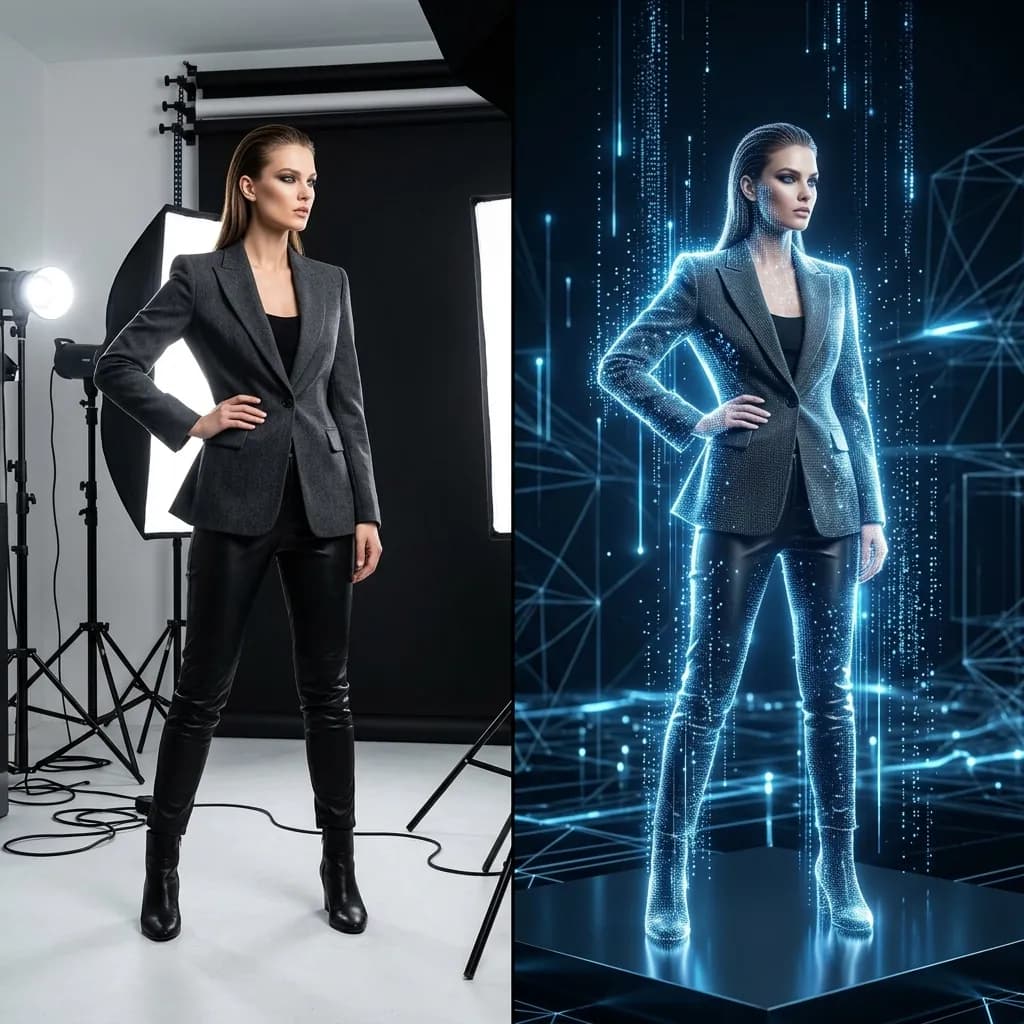
Are AI Models Replacing Real Models?
AI models are reshaping fashion. We explore the real impact on human talent and what brand owners need to know.
The Question Every Fashion Brand is Asking
In 2026, the fashion industry is grappling with a question that was once reserved for science fiction: can a machine replace a human model? The answer is more nuanced than a simple yes or no, but the trend is undeniable. AI generated models are now appearing in major e-commerce catalogs, social media campaigns, and even digital billboards across global markets.
This is not a fringe experiment. According to multiple industry reports, over 35% of mid-market fashion brands have already integrated some form of AI fashion photography into their content pipeline. The technology has matured to the point where consumers often cannot distinguish between a real photograph and an AI rendered image.
This article provides a balanced, in-depth analysis of the current landscape. We will examine why brands are making the switch, what concerns remain valid, and where the industry is likely headed over the next several years.
Why Fashion Brands Are Exploring AI Models
The shift toward virtual fashion models is not driven by novelty. It is driven by economics, logistics, and the brutal content demands of modern e-commerce.
The Economics Problem
A single day of traditional fashion photography costs between $8,000 and $20,000 when you factor in model fees, studio rental, crew salaries, and post-production editing. For a brand launching 200 SKUs per season, this creates a six-figure content budget that most emerging labels simply cannot afford.
The Speed Problem
Social media algorithms reward volume and freshness. A brand posting once a week on Instagram will be buried by competitors posting daily. Traditional production cycles of 3 to 6 weeks per shoot make it impossible to keep up with the velocity that platforms like TikTok and Meta demand.
The Scalability Problem
If your brand sells to customers in Tokyo, Berlin, and New York, your marketing needs to reflect those audiences. Hiring diverse models for every market segment multiplies your costs exponentially. AI solves this by generating any demographic instantly.
The Personalization Problem
Modern consumers expect to see people who look like them wearing the clothes they want to buy. Achieving this level of representation with physical models requires massive casting operations that are logistically impractical for most brands.
How AI Fashion Models Actually Work
The technology behind AI generated models has evolved far beyond the "deepfake" era. Modern platforms use proprietary neural architectures trained specifically on fashion data, including fabric physics, body proportions, and lighting interactions.
The Core Workflow
The process is remarkably simple. A brand uploads a single photograph of their garment, typically a flat-lay or ghost mannequin shot. The AI engine then performs three critical operations:
1. Garment Analysis
The AI deconstructs the garment into its fundamental components: fabric type, color profile, structural elements like collars, buttons, and seams. This "digital twin" ensures that every detail is preserved in the final render.
2. Human Rendering
A photorealistic virtual human is generated based on the brand's specifications. This includes skin tone, body type, facial features, hair style, and pose. The model is not a "template" but a unique digital creation.
3. Scene Composition
The garment is draped onto the virtual model within a professionally lit environment. The AI calculates shadow fall, ambient occlusion, and fabric drape to produce an image that is indistinguishable from a professional studio photograph.
Benefits of AI Models for Fashion Brands
The operational advantages are significant and measurable. Brands that have adopted AI fashion photography report dramatic improvements across their content operations.
| Benefit | Traditional Approach | AI Model Approach |
|---|---|---|
| Cost Per Image | $50 to $200 per final asset | Under $1 per image |
| Time to Publish | 3 to 6 weeks | Under 60 seconds |
| Content Variations | Limited by shoot duration | Unlimited on demand |
| Market Localization | Requires separate castings | Instant demographic selection |
| A/B Ad Testing | Expensive and slow | Generate 10 variants in minutes |
The Concerns Around AI Models
No honest analysis of this topic can ignore the legitimate concerns. The rise of AI replacing models has sparked serious debate within the creative community, and many of these criticisms deserve careful consideration.
Impact on Human Talent
The modeling industry employs millions of people worldwide. As AI handles more of the routine e-commerce photography, entry-level opportunities for aspiring models may shrink. However, demand for high-profile editorial and runway talent remains strong, as these roles require a human presence that AI cannot replicate.
Authenticity and Trust
Some consumers feel uncomfortable purchasing from brands that use entirely synthetic imagery. Transparency is critical. Brands that disclose AI usage tend to build stronger trust than those that attempt to pass AI images off as real photography.
Ethics and Representation
There is an ongoing conversation about whether AI generated models perpetuate unrealistic beauty standards. Responsible platforms address this by offering diverse body types, skin tones, and ages, ensuring that the digital output reflects real-world human diversity.
Will AI Completely Replace Human Models?
The short answer is no. The long answer requires understanding where each approach excels.
Where AI Models Excel
AI is exceptionally effective for high-volume, repetitive content production. If you need 500 product photos for your Shopify store, hiring a human model for every single SKU is financially irrational. AI handles this category of work with superior speed and consistency.
Where Human Models Remain Essential
Runway shows, brand ambassadorships, editorial storytelling, and campaigns that require emotional depth will continue to rely on human talent. The charisma, spontaneity, and cultural influence of a real person cannot be algorithmically generated. A human supermodel carries narrative weight that no render can replicate.
The Hybrid Future
The most likely outcome is a hybrid model. Brands will use AI for the operational backbone of their content, covering product pages, social ads, and marketplace listings. They will reserve human talent for flagship campaigns, brand films, and experiential marketing where authenticity is the primary currency.
Industry Perspective
"The question is not whether AI will replace models. The question is whether your brand can afford to ignore AI while your competitors use it to produce ten times the content at a fraction of your budget."
How Modelfy Powers the Next Generation of Fashion Content
For brands ready to explore the advantages of AI fashion models without the complexity of generic tools, Modelfy provides the most streamlined path from garment to campaign.
Modelfy was built as a purpose-driven AI fashion model generator for the apparel industry. Every feature is designed to eliminate friction and deliver studio-quality results without requiring any technical knowledge.
What Makes Modelfy Different
- Garment Integrity First: Unlike general AI tools that often distort product details, Modelfy preserves every stitch, logo, and texture of your original design. What you upload is exactly what your customer sees.
- One-Click Generation: There is no prompt engineering, no complex settings, and no learning curve. Upload your garment, select your model preferences, and receive campaign-ready assets in seconds.
- Built for Commerce: Every output is optimized for e-commerce platforms, social media ads, and digital marketing. The images are not "artistic experiments"; they are conversion-ready assets designed to sell your product.
Conclusion: Coexistence, Not Replacement
The narrative of "AI versus humans" is compelling but ultimately misleading. The reality is far more collaborative. AI generated models are not eliminating human talent; they are expanding the total volume of fashion content that the industry can produce. They are removing the logistical barriers that prevented smaller brands from competing visually with global corporations.
In 2026, the smartest fashion brands are not choosing between AI and human models. They are using both strategically. They deploy AI for speed and scale, and they invest in human talent for storytelling and cultural resonance. This hybrid approach is not just the future of fashion; it is already the present.
The brands that understand this distinction will thrive. The brands that resist it will find themselves producing less content, spending more money, and losing market share to competitors who have embraced the digital studio.
The question is no longer "Are AI models replacing real models?" The question is: "Is your brand using AI efficiently enough to stay competitive?"

Haziq Qasmi
Read More
Related Insights
Deep dive into more AI fashion photography guides and industry shifts from the Modelfy team.
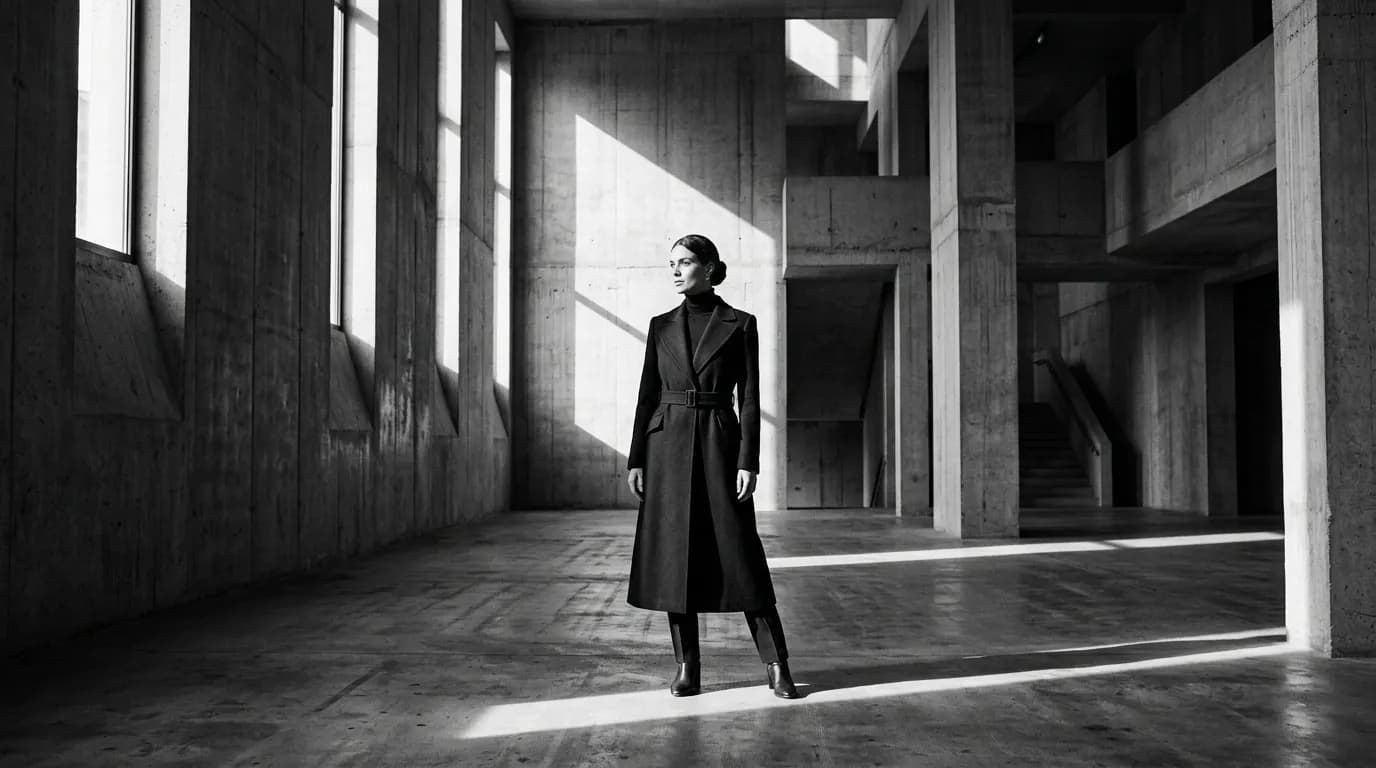
Your Product Page Hero Image Is Losing You 34% in Conversions
Static flat-lays and sterile white studio hero images kill apparel conversions. Here is what A/B testing 500 PDPs revealed about visual hierarchy.

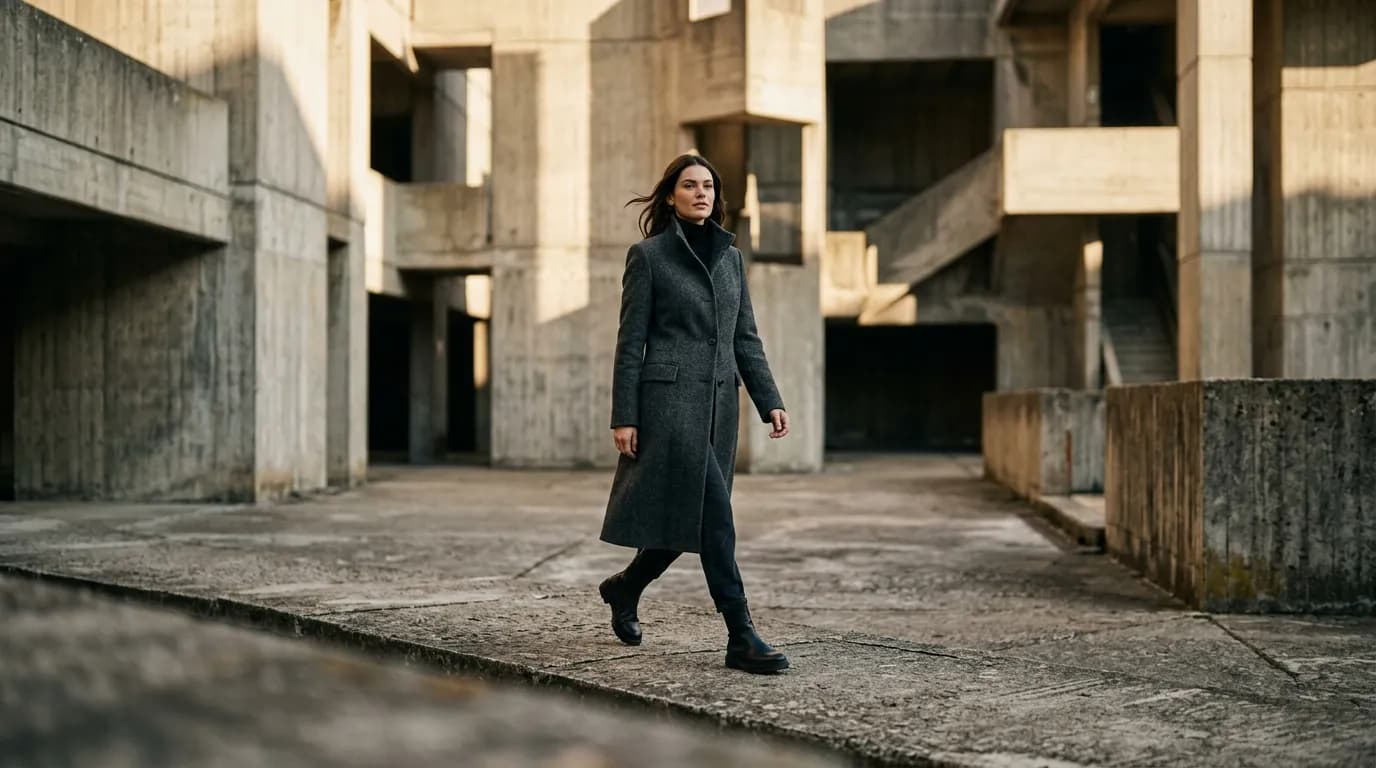
Why a $5,000 Photoshoot Only Gives You 14 Days of Meta Ads
Meta algorithms burn fashion photoshoot assets in 14 days. Here is why creative velocity determines your ROAS and how to scale ad creative.
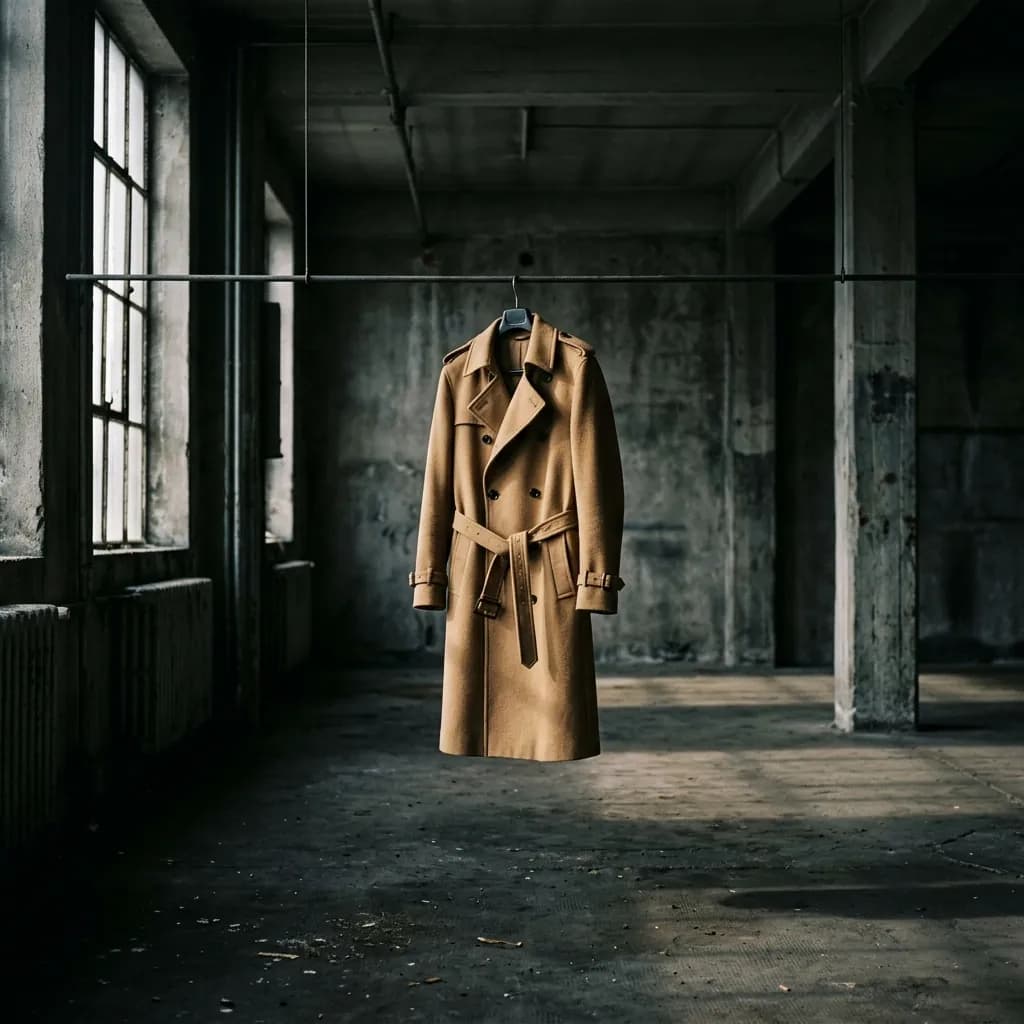
Stop Waiting for Factory Samples. It's Costing You $8,400 a Drop.
Waiting weeks for overseas factory samples is killing your store's momentum. Discover how garment-first AI cuts time-to-market by 90%.