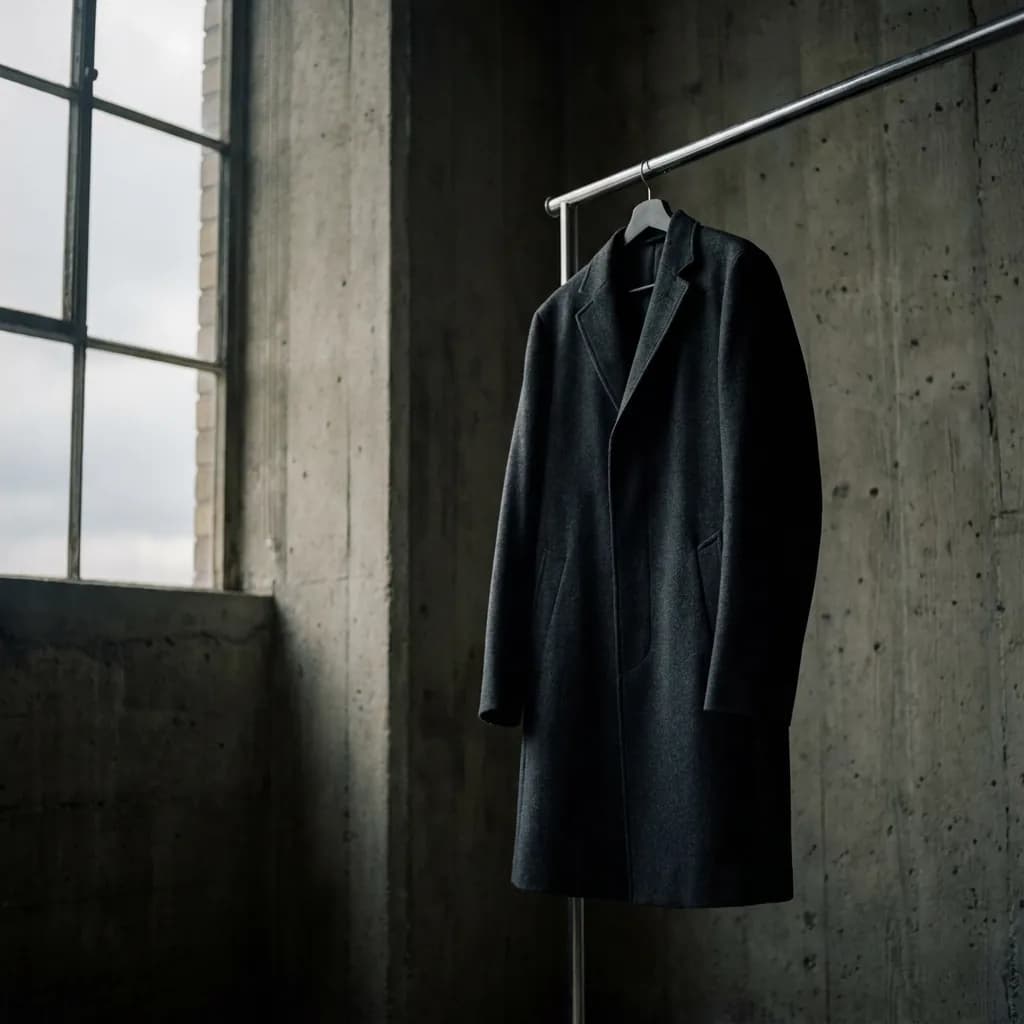
Your Zero-Dollar iPhone Shoots Are Killing Your Conversions
DTC founders love bragging about their raw iPhone photoshoots. Discover why organic imagery on product pages is quietly destroying your average order value.
The Illusion of the Zero Dollar Photoshoot
If you spend any time on LinkedIn or Twitter, you have seen DTC fashion founders bragging about their zero-dollar visual marketing playbook. The narrative is highly seductive: they fired their agency, threw their collection on their office manager, and shot the entire drop on an iPhone in the backyard. They call it "authentic storytelling" and claim modern shoppers reject the polished studio photography of the past.
But while those raw, unedited videos perform exceptionally well in organic social feeds, bringing them onto your primary product pages is a structural mistake. When a shopper lands on your Shopify store, their psychological state changes from discovery to evaluation. The casual authenticity that earned a double-tap on TikTok suddenly feels like amateur hour when you ask them to spend one hundred and fifty dollars on a structured linen trench coat.
"Shoppers love unpolished authenticity in their social feeds, but they demand absolute visual authority on the checkout page."
The Trend toward Manufactured Scarcity
During the first half of 2026, venture capital continues to flood the e-commerce infrastructure sector, reflecting a mature software market. In the first quarter of 2026, venture capital firms invested over 620 million dollars into e-commerce AI and retail automation startups. For instance, London-based Swap Commerce secured a massive funding round to scale return-management platforms, while Modelia closed a seed round to expand generative visual asset pipelines. These capital allocations highlight a structural shift toward automation.
In tandem, DTC apparel brands are fighting an uphill battle against rising customer acquisition costs. According to retail data, paid traffic costs on major ad platforms have risen by 34 percent year-over-year. To offset these costs, brands like Odd Muse and House of CB are pivoting toward founder-led storytelling and raw organic video.
However, some independent founders have taken this trend too far, completely replacing their professional studio photography with flat-lays on cracked concrete floors or low-contrast smartphone photos. They mistake a social media distribution tactic for a merchandising strategy.
Why the Raw Aesthetic Fails the Product Page
The immediate failure mechanism of DIY smartphone shoots lies in the collapse of perceived value. E-commerce is a visual exchange of contract. Because the shopper cannot physically touch the wool, feel the weight of the silk, or evaluate the stitching, they use your visual assets as a proxy for product quality.
When you showcase your collection on a wrinkled hanger against a white wall with uneven shadow lines, the brain of the shopper registers low quality. The visual sloppiness of the presentation is automatically transferred to the garment itself.
Even if the physical fabric is premium wool sourced from Italian mills, the shopper perceives it as a thirty dollar fast-fashion item. They might click your ad out of curiosity, but they will not convert at your required premium price point.
Furthermore, iPhone sensors, while highly advanced, lack the focal depth and color accuracy of medium-format lenses. They automatically apply aggressive HDR sharpening and color-compression algorithms, making deep hues look artificial and smoothing out the fine grain of high-quality fabrics. This lack of texture definition increases fit and material uncertainty, prompting shoppers to abandon their carts or engage in return-heavy bracket shopping.
The Asymmetry of Trust in Online Retail
The core issue isn't the smartphone itself, but the lack of aspirational context. Fashion retail is not built on utility. Nobody buys a one hundred dollar blazer because they need a piece of fabric to keep warm; they buy it because they want to project a specific identity.
When you strip away the editorial context, the professional styling, and the premium environment, you destroy the aspirational dream. You are no longer selling a lifestyle; you are selling raw material.
To maintain high conversion rates and high average order values, DTC brands must understand that trust is asymmetric. It takes weeks of organic content to build brand affinity, but only a fraction of a second of poor visual merchandising to destroy it. Your product detail pages must project authority.
Comparing Storefront Merchandising Approaches
To understand how different visual production methods impact e-commerce operations, consider the comparative metrics below.
| Metric | DIY iPhone Shoots | Traditional Agency Shoots | Garment-Preserving AI |
|---|---|---|---|
| Upfront Capital | Zero dollars (uses internal staff) | High (five thousand to fifteen thousand dollars) | Minimal (software subscription) |
| Perceived Value | Low (looks like an amateur resale listing) | Excellent (aspirational and premium) | Excellent (high-end editorial mood) |
| Fidelity & Texture | Poor (heavy color compression, smoothed weave) | Perfect (medium format capture) | Perfect (retains 100% fabric coordinates) |
| Conversion Rate Impact | Suppresses CVR by thirty percent or more | Baseline performance standard | Lifts conversion rates significantly |
Rebalancing Your Merchandising Strategy
If you are operating a growing Shopify brand, you must separate your top-of-funnel marketing from your bottom-of-funnel merchandising.
First, audit your product pages. If your primary catalog images consist of wrinkled garments, unstyled flat-lays, or poorly lit office photos, replace them. Keep your raw iPhone videos on Instagram Stories and TikTok, where they belong. On the product page, provide the consumer with the visual authority they need to justify the purchase.
Second, leverage hybrid production workflows. You do not need to choose between the bankruptcy of fifteen thousand dollar photoshoot days and the low conversions of DIY smartphone photos. By capturing high-resolution flat-lays or mannequin photos in-house, you can use specialized tools to render them into professional-grade campaign assets.
Quick Take: Escaping the DIY Trap
- Isolate your channels: Use raw phone content for social engagement and premium editorial photography for catalog pages.
- Re-establish luxury cues: Ensure your product pages show clean shadows, correct drape physics, and elegant backgrounds.
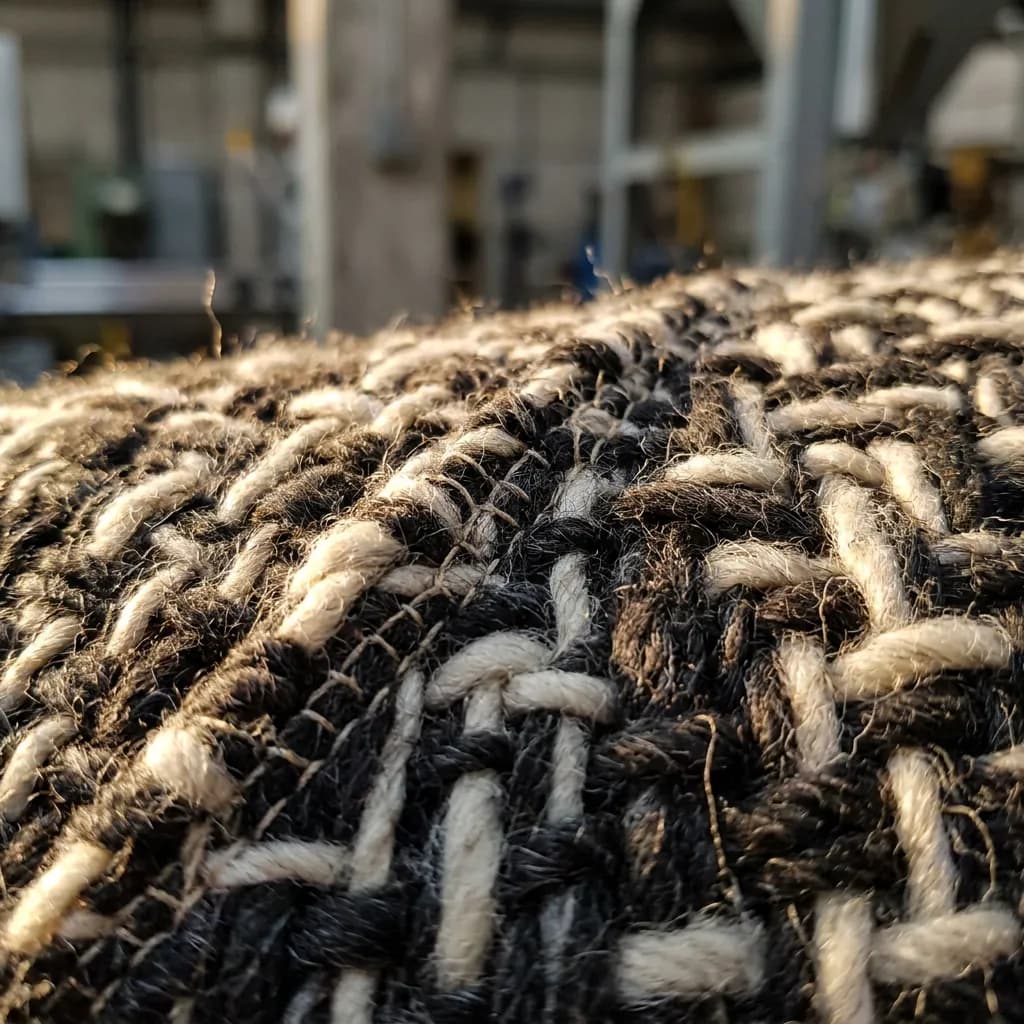
- Capture rich fabric details: Take detailed macro photos to showcase weave patterns and materials.
Where Garment-First AI Bridges the Gap
This is where purpose-built platforms like Modelfy fit into the modern e-commerce landscape. Modelfy is engineered specifically for merchants who need high-end visual authority without the traditional studio overhead.
The platform operates on a garment-first model. You do not write complex text prompts or risk the garment warping seen in generic AI image generators.
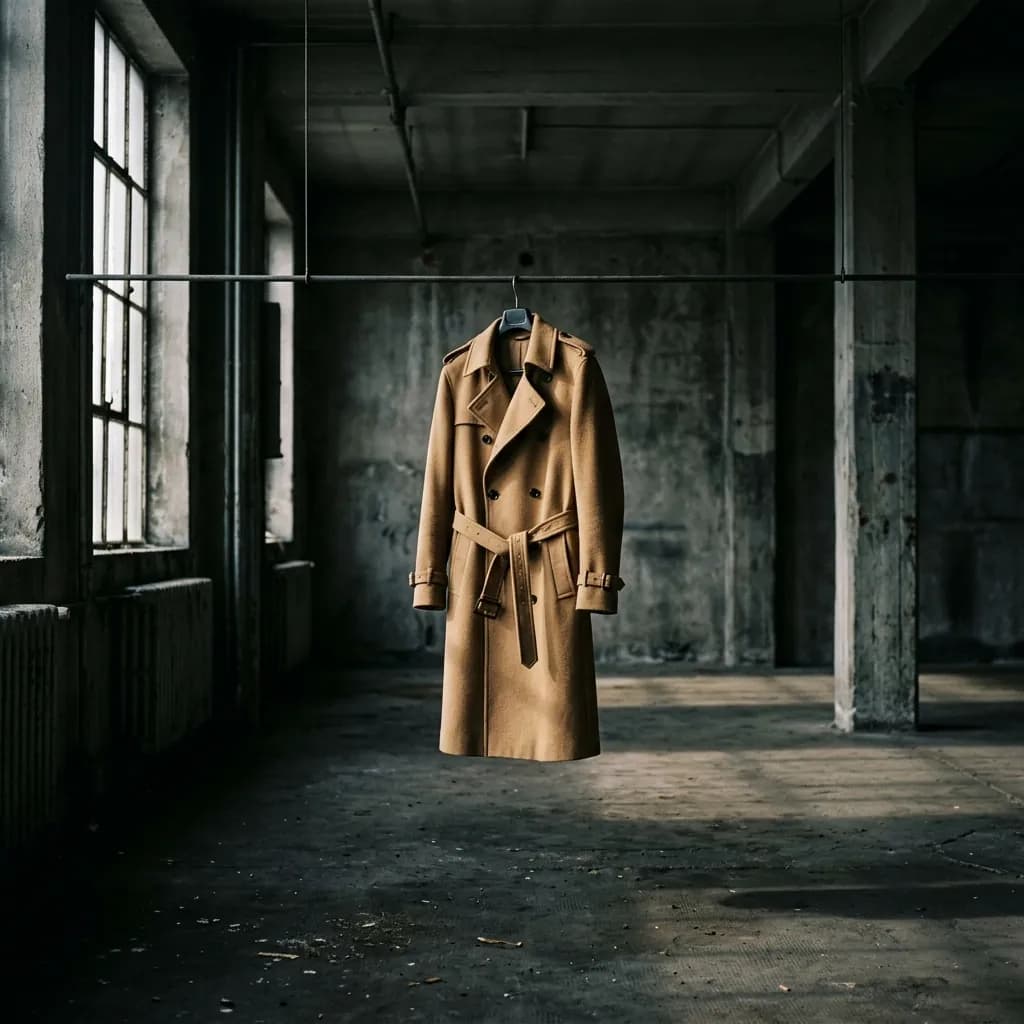
Instead, you upload your basic flat-lay or ghost mannequin photo. Modelfy's algorithms lock in the exact stitching, pattern coordinates, and fabric texture of your garment. It then places the piece on photorealistic models in premium studio settings or dramatic architectural lofts, matching the lighting angles perfectly. You get the zero-dollar production budget with the visual authority of a luxury brand.
The Outlook
Over the next twelve months, the gap between high-converting and low-converting DTC storefronts will widen. As customer acquisition costs continue to rise, brand operators can no longer afford to waste expensive traffic on low-converting, amateur product listings.
The novelty of the "unedited iPhone" brand will fade as consumers seek reassurance of physical quality in an increasingly digital world. Brands that standardize high-fidelity, premium visual merchandising on their storefronts today will protect their margins, lower their customer acquisition costs, and win the battle for visual trust.
If you are ready to elevate your Shopify storefront and build a high-converting visual catalog, start generating high-converting campaign assets with Modelfy today.

Modelfy Team
Read More
Related Insights
Deep dive into more AI fashion photography guides and industry shifts from the Modelfy team.

Why a $5,000 Photoshoot Only Gives You 14 Days of Meta Ads
Meta algorithms burn fashion photoshoot assets in 14 days. Here is why creative velocity determines your ROAS and how to scale ad creative.
Stop Waiting for Factory Samples. It's Costing You $8,400 a Drop.
Waiting weeks for overseas factory samples is killing your store's momentum. Discover how garment-first AI cuts time-to-market by 90%.

Your New 'AI' Label Is Quietly Killing Storefront Trust
The mid-2026 EU AI Act mandates synthetic model disclosures on product pages. Discover how forced labeling destroys DTC trust—and how to navigate it.