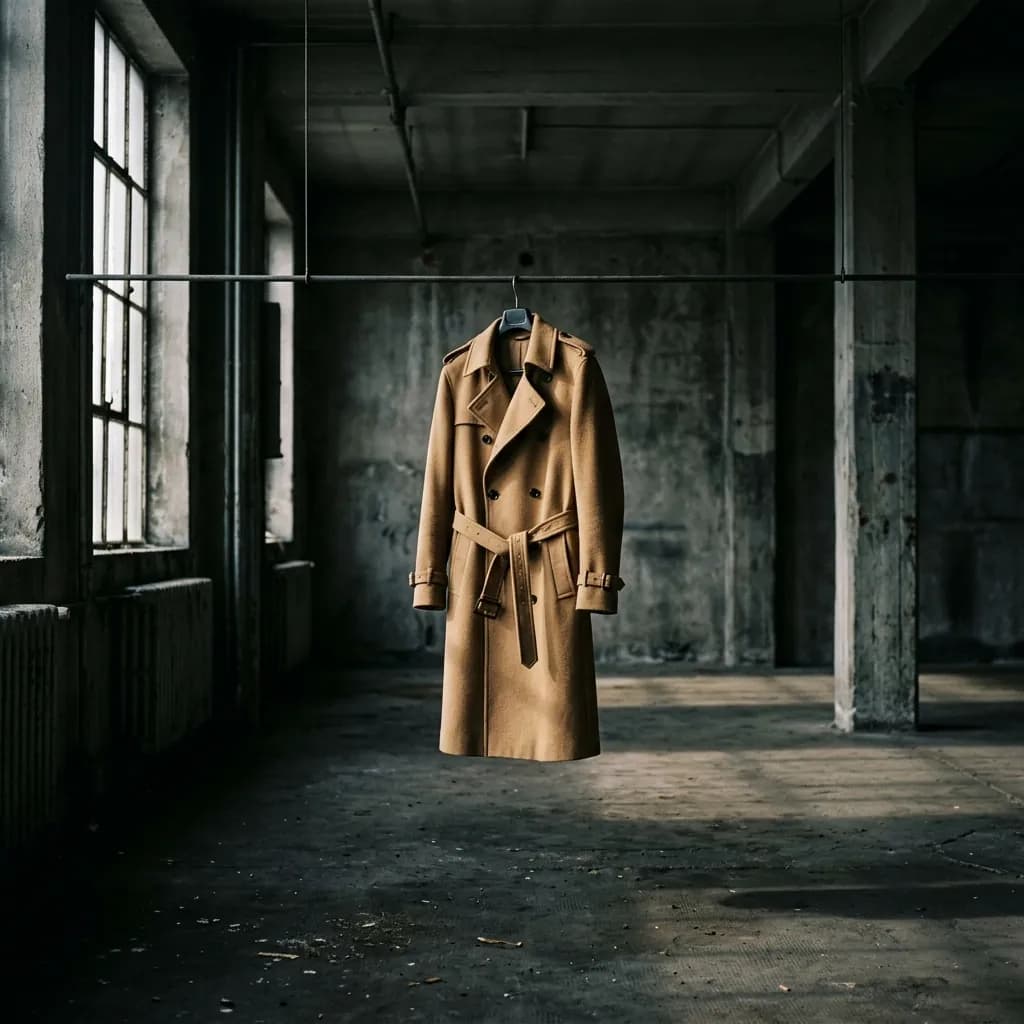
Stop Waiting for Factory Samples. It's Costing You $8,400 a Drop.
Waiting weeks for overseas factory samples is killing your store's momentum. Discover how garment-first AI cuts time-to-market by 90%.
The Silent Tax on Fashion E-commerce
Every direct-to-consumer fashion founder knows the silent torture of the six-week manufacturing sample loop. You approve the tech pack, wire the sample fee to your factory in Guangzhou or Porto, and then you wait. You watch your cash sit idle in logistics pipelines while competitors launch drops before your box even clears customs.
This delay is not just a minor scheduling inconvenience. It is a critical drag on your brand's growth and liquidity. In a retail environment where customer acquisition costs are rising rapidly, speed to market is the primary differentiator between brands that scale and those that run out of capital.
"Decoupling your visual merchandising from your physical factory schedule is not just an operational shortcut. It is a cash flow strategy that keeps your capital out of customs."
The Speed-to-Market Squeeze of 2026
In mid-2026, the traditional sample-to-site workflow has become a massive liability. Direct-to-consumer fashion brands are facing a severe squeeze, with customer acquisition costs rising 34 percent year-over-year. To maintain storefront conversion rates and keep advertising frequency high, brands must drop new collections weekly or bi-weekly. Yet, the physical sampling process remains stuck in the legacy era. According to recent data from digital prototyping analyses, waiting for physical garment samples and shipping them across borders creates a 42-day bottleneck.
During this period, capital is locked in inventory that cannot be marketed. Furthermore, the fashion industry historically produces 30 to 40 percent more inventory than it actually sells, a phenomenon known as the inventory paradox. When brands wait for physical samples to arrive before testing demand, they commit to large manufacturing minimum order quantities blindly, resulting in unsold stock that destroys margins.
In response, a structural reorganization is occurring: forward-thinking brands are shifting to digital prototyping using software like CLO 3D and Blender, integrating these digital twin garments with AI rendering to launch campaign imagery before physical samples are even manufactured. Industry data shows that brands adopting this integrated workflow have compressed creative and development timelines by 40 to 60 percent, unlocking cash flow and testing market demand in hours rather than weeks.
Why the Expedited Sample Fix Fails
The standard response to sample delays is to rush the factory, pay double for air freight, or book emergency local studios the day the box arrives. Founders spend thousands of dollars expediting shipping labels, only to receive a sample with a warped lapel or misaligned pocket. If they shoot the imperfect sample, they either spend weeks in expensive post-production retouching or publish sub-par visuals that suppress product page conversions by thirty percent or more.
Others try to bypass samples by listing flat garments on their store or using basic digital mockups. But catalog pages with flat-lays or generic digital flat assets fail to build trust. Consumers demand high-end, on-model editorial photography to evaluate fit and drape. Listing basic 2D flats or low-fidelity CAD renders leads to cart abandonment and drives return rates past 40 percent when the physical product fails to match the virtual representation.
Decoupling Visuals from the Physical Supply Chain
The real problem is the outdated assumption that visual production must follow physical manufacturing. Historically, you had to make the garment before you could photograph it. This linear constraint is obsolete.
The commercial contract of e-commerce is entirely visual. The shopper does not need to know if the sample was physically in a studio or rendered digitally, as long as the visual asset matches the exact specifications of the final product. By separating visual merchandising from the physical supply chain, brands can create high-fidelity on-model campaigns from digital design files or early pre-production flat-lays. The product design file or early prototype becomes the ground truth for marketing, allowing the brand to run pre-sales, test variations, and secure orders before committing capital to a factory run. This shift resolves the inventory paradox, ensuring you only manufacture what you have already sold.
Operational Guide for Shopify Merchants
For a Shopify merchant or independent DTC founder, this means the end of the traditional six-week launch lag. You can test product demand by showing high-end, on-model photography to your audience before the factory even cuts the fabric. If a design does not get traction, you cancel the run without losing thousands of dollars in fabric and manufacturing fees.
To execute this, you must unify your design files and visual production. Pair your high-fidelity digital assets with detailed descriptions of the fabric weave and weight. When customers see photorealistic drape and clean textures on a model, their sizing uncertainty drops, protecting your storefront conversion rate and preventing reverse logistics losses.
| Workflow Metric | Legacy Sample Loop | Digital twin + AI (Modelfy) |
|---|---|---|
| Time-to-Market | 4 to 6 weeks of waiting and shipping | 4 to 6 hours from CAD/flat-lay to active listing |
| Upfront Capital Risk | High (committed to manufacturing run and sample fees) | Zero (only manufacture items that secure pre-orders) |
| Campaign Volume | Limited (dictated by physical samples available) | Infinite (render any design file on diverse models) |
| Return Rate Control | Standard (depends on physical size descriptions) | High (reduced return rates via accurate drape physics) |
Implementing these steps allows Shopify merchants to build a high-performance visual catalog that meets both consumer expectations and logistical requirements.
Quick Take: Bypassing the Sample Bottleneck
- Decouple pipelines: Separate your visual asset production from your manufacturing timeline to start marketing earlier.
- Test before you cut: Use photorealistic digital models to validate product demand before committing to heavy factory MOQs.
- Hold fabric coordinates: Ensure your virtual assets map fabric drape and textures accurately to prevent product mismatch.
Decoupling Visual Production with Modelfy
This is where specialized platforms like Modelfy secure your digital catalog. Modelfy is built on a garment-preserving neural pipeline designed to eliminate the photography bottleneck.
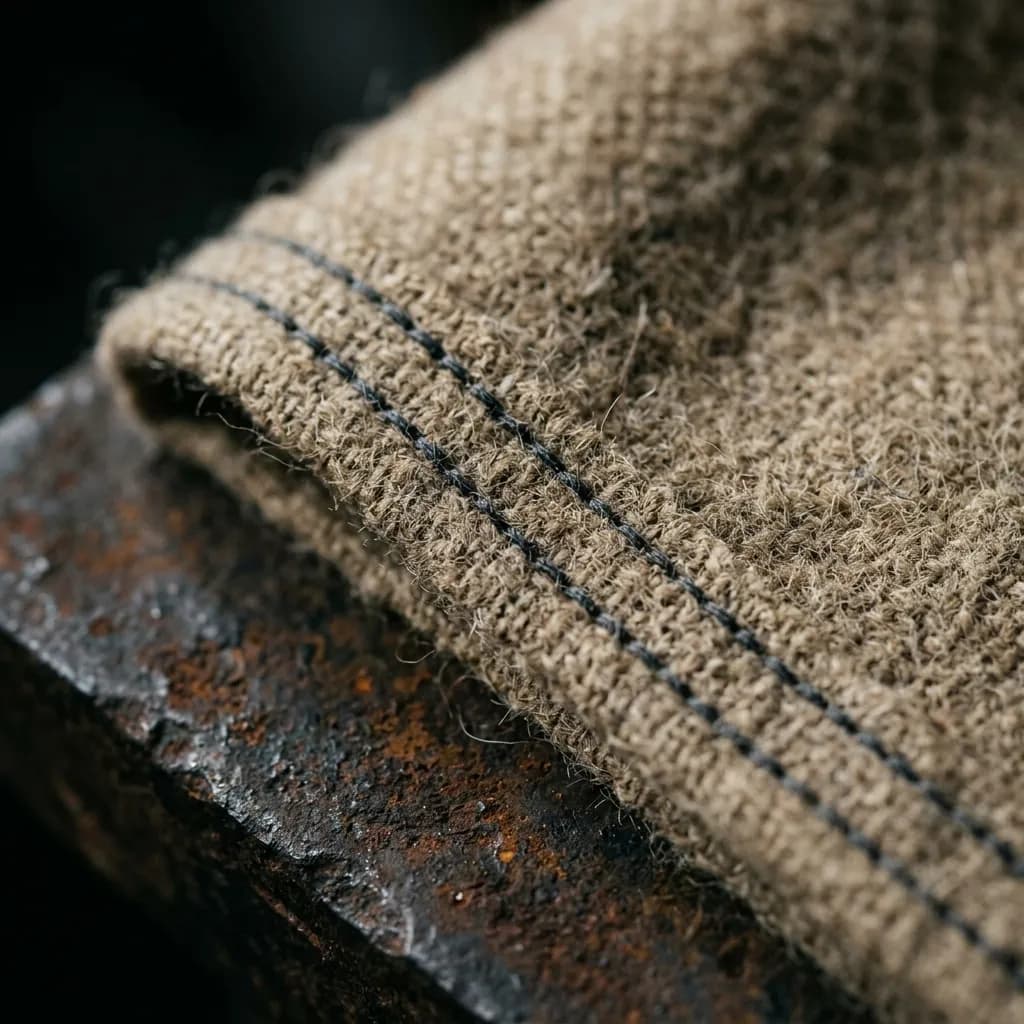
Instead of booking models and studios, you upload your flat garment file or initial sample photo. Modelfy's algorithms map the garment coordinates onto realistic models in high-end studio settings or urban environments. The fabric texture, stitch lines, and drape physics are preserved with absolute accuracy, providing campaign-ready visuals in minutes. You bypass the logistics of physical shoots while maintaining the visual authority required to convert premium shoppers.
The Outlook
Over the next twelve months, the brands that rely on physical sample coordination to generate marketing assets will be priced out of the market by agile competitors. The future of fashion merchandising belongs to digital-first workflows that link design directly to automated visual output. By decoupling visual production from factory schedules, brands can protect their cash flow, scale their catalogs infinitely, and launch drops at the speed of consumer attention.
If you are ready to eliminate the photography bottleneck and scale your product drops, start generating high-converting campaign assets with Modelfy today.
Frequently Asked Questions
What is the manufacturing sample bottleneck?
The sample bottleneck is the multi-week delay DTC brands face when waiting for factories to produce and ship physical samples before campaign photography can begin.
How can clothing brands pre-sell without physical samples?
Brands can use digital pattern files or flat-lay mockups rendered onto photorealistic models with AI to showcase exact fits and details, taking orders before starting manufacturing.
Does virtual try-on software reduce apparel returns?
Yes. Showing accurate fabric drape, weight, and fit across diverse model body builds eliminates customer sizing uncertainty, directly reducing returns.

Modelfy Team
Read More
Related Insights
Deep dive into more AI fashion photography guides and industry shifts from the Modelfy team.
Your Secondary Colorways Are Quietly Bleeding Your Margins
Shooting every colorway on-model burns cash, but ghost flats crater sales. Here is the multi-SKU photography math draining your Shopify margins.

Your Product Page Hero Image Is Losing You 34% in Conversions
Static flat-lays and sterile white studio hero images kill apparel conversions. Here is what A/B testing 500 PDPs revealed about visual hierarchy.
Why a $5,000 Photoshoot Only Gives You 14 Days of Meta Ads
Meta algorithms burn fashion photoshoot assets in 14 days. Here is why creative velocity determines your ROAS and how to scale ad creative.