Why a $5,000 Photoshoot Only Gives You 14 Days of Meta Ads
Meta algorithms burn fashion photoshoot assets in 14 days. Here is why creative velocity determines your ROAS and how to scale ad creative.
The Two-Week Creative Cliff in Paid Fashion
Two weeks after your seasonal campaign shoot, your advertising account looks like a financial emergency. You paid six thousand dollars for a daylight studio, two agency models, a dedicated stylist, and eight master retouched looks. For the first ten days on Meta, the campaign performed like clockwork. Click-through rates held at 2.8 percent, cost per acquisition hovered near thirty-four dollars, and return on ad spend sat comfortably above 3.5x.
Then Day 14 arrived. Ad frequency ticked past 3.2 on cold audiences. Cost per acquisition jumped fifty percent in forty-eight hours. The automated delivery algorithm quietly began starving your primary ad set of impression share.
You schedule an emergency review with your media buyer. The media buyer claims the audience has saturated. You blame the agency bidding strategy and question whether broad targeting is failing your catalog. Both parties are missing the core breakdown. Your media buyer is not failing, and your audience has not vanished. The machine learning delivery engine has simply consumed your entire photography budget in two weeks. Modern ad algorithms process visual creative faster than any traditional studio production schedule can replenish it.
"Your media buyer does not have a targeting problem. Your store has a creative starvation problem created by a nineteenth-century photography schedule."
How Automated Ad Delivery Starves on Seasonal Assets
In late 2026, the mechanics of digital apparel advertising have inverted. The manual audience segmentation tactics that built direct-to-consumer fashion brands five years ago are obsolete. With Meta Advantage+ shopping campaigns and automated social placement engines, the creative asset is the targeting parameter. Computer vision models parse the scene, the garment cut, the background environment, and the model demographic to predict exactly which consumer segment will convert.
Because automated delivery systems hunt for the highest-probability conversions, they pour the majority of your daily budget into your single strongest visual asset. That hero photograph burns through its receptive audience rapidly. Once cold audience frequency crosses the 3.0 threshold, hook engagement decays by thirty percent, click-through rates drop by forty-five percent, and the platform auction penalizes your stale creative with doubled CPMs.
Customer acquisition data across fashion e-commerce indicates that blended acquisition costs have increased by thirty-four percent year over year. The brands maintaining profitable contribution margins are not winning through manual bid adjustments. They are sustaining their margins by feeding the algorithm fifteen to twenty distinct, high-fidelity visual assets every month. A brand that shoots once per quarter cannot mathematically keep pace with this demand.
Why Smartphone Shots and Canva Tweaks Make Things Worse
When performance stalls, the standard founder reaction creates new operational liabilities. Unable to justify spending another six thousand dollars on an emergency studio booking, operators turn to short-term compromises. They hand an iPhone to a warehouse assistant, capture hurried flat-lays, or create graphic collages with colored banners and discount stickers.
While unpolished user-generated content functions reliably for low-priced commodities or novelty gadgets, it degrades customer perception for premium fashion. When an independent label prices an overcoat, tailored trouser, or silk blouse between eighty and two hundred dollars, visual craftsmanship dictates perceived value. Low-resolution warehouse snapshots convey cheap construction, careless quality control, and questionable brand stability. You may generate cheap clicks from curious scrollers, but storefront conversion rates collapse when prospective buyers reach the product detail page and encounter amateur presentation.
Alternatively, brands attempt to refresh their four existing campaign photos with superficial edits. They modify headline copy, switch button colors, or crop the image from portrait to square. Modern computer vision systems immediately recognize that the underlying garment and subject pixels are identical. The algorithm continues to penalize the ad set for creative fatigue, cost per acquisition stays elevated, and ad spend continues to drain without result.
The Production Cadence Mismatch Underneath Your Media Spend
The underlying crisis in fashion e-commerce is the structural disconnect between physical manufacturing cycles and algorithmic distribution schedules. Traditional fashion retail was structured around quarterly milestones: Spring/Summer, Autumn/Winter, and holiday drops. Photography schedules naturally mirrored that rhythm. A brand booked a studio four times a year, captured eighty images over forty-eight hours, and distributed those photos across quarterly lookbooks and print catalogs.
That quarterly cadence cannot survive in an advertising environment that demands continuous visual novelty. You are expecting an algorithmic system built to consume twenty fresh visual hooks each month to survive on four assets generated ninety days ago. When every new photograph requires physical sample logistics, studio hire, model agency fees, hair and makeup personnel, and days of manual retouching, every single image carries a marginal cost of several hundred dollars and a production delay of three weeks.
Here is the uncomfortable truth that media agencies rarely articulate: your customer acquisition cost is not rising because your audience has rejected your designs. Your advertising performance is collapsing because your production cadence operates on a quarterly calendar while your distribution channels operate on a seventy-two-hour feedback loop.
Decoupling Garment Merchandising from Physical Shoot Days
Resolving this bottleneck requires fashion operators to separate the garment from the physical shoot day. Your physical product does not require twenty separate photography sessions to yield twenty distinct advertising narratives. The shopper does not tire of your tailored overcoat; they tire of seeing the exact same model in the exact same studio setting against the exact same painted wall.
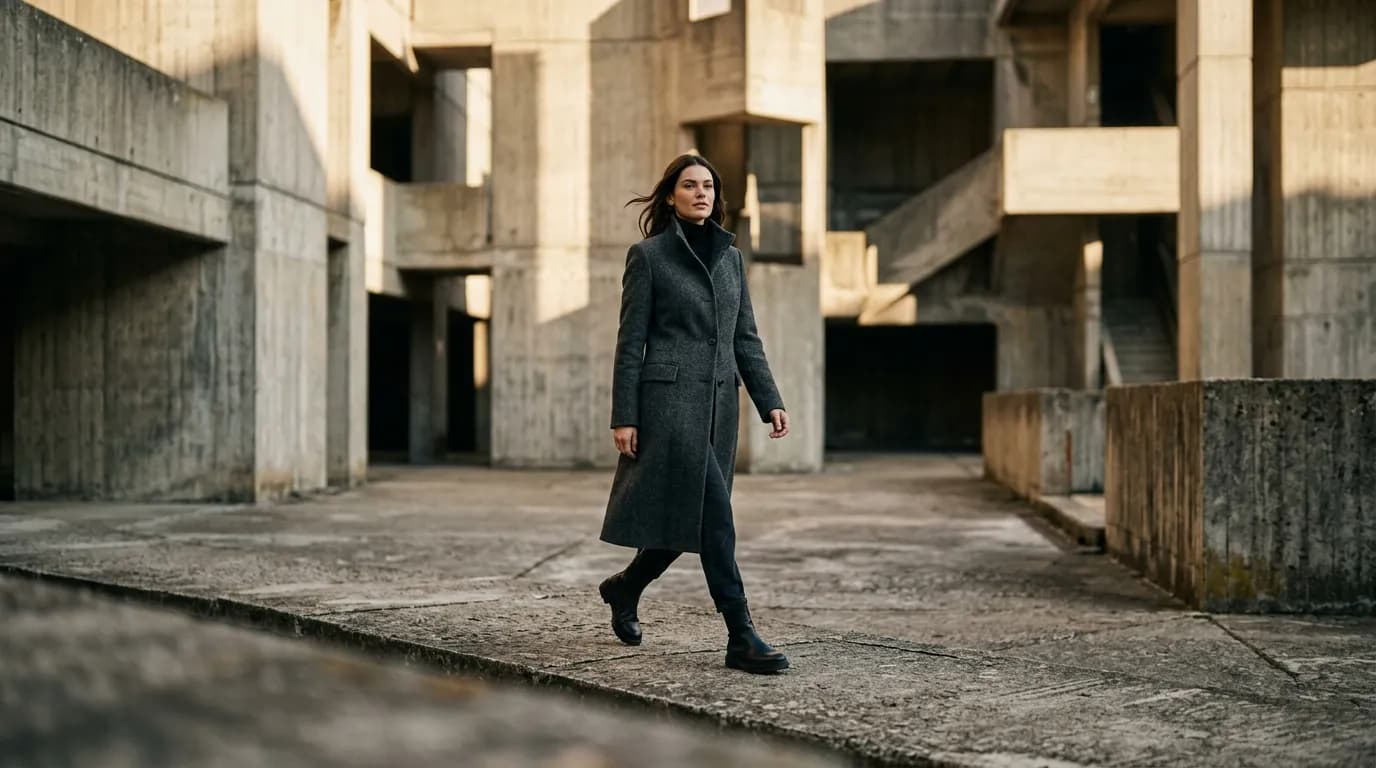
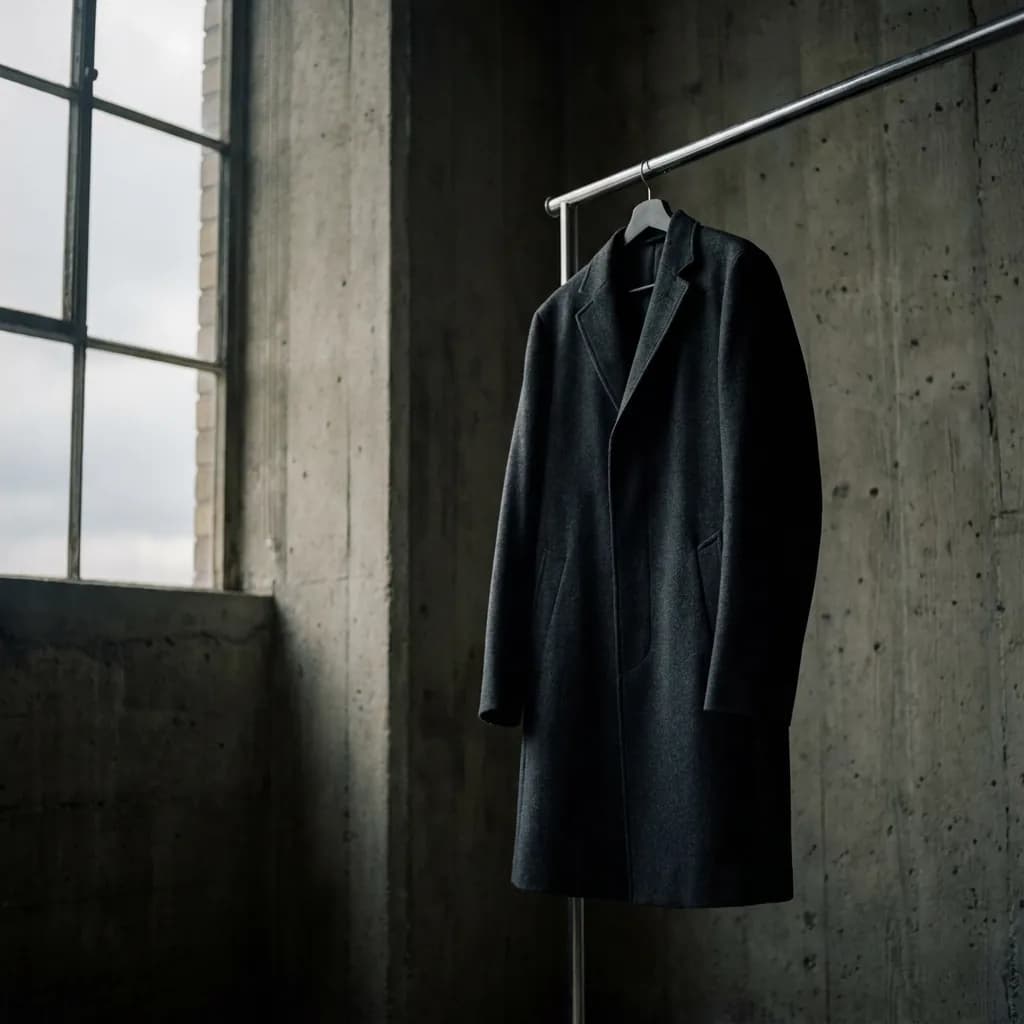
If that identical overcoat is presented against an atmospheric brutalist courtyard in late afternoon raking light, an airy Scandinavian interior with morning shadows, and an urban street corner at dusk, each environment presents a distinct cognitive entry point for the consumer. It also provides the computer vision engine with a fresh visual pattern to index against different buyer preferences.
| Performance Vector | Quarterly Studio Shoots | Algorithmic Creative Velocity (Modelfy) |
|---|---|---|
| Monthly Asset Output | 4 to 8 hero looks every 90 days | 30 to 50 distinct environment variations monthly |
| Creative Lifespan on Meta | Burned out by Day 14 with high ad frequency | Continuous asset rotation with sub-2.0 frequency |
| Blended Production Cost | $4,000 to $12,000 per production batch | Fraction of a single model agency fee |
| Return on Ad Spend Stability | Cyclical crash every three weeks | Predictable customer acquisition cost across cycles |
When you treat your apparel design as a consistent digital asset rather than a single-use photo subject, you can generate twenty to thirty campaign-grade visual executions for a single hero SKU. You can test multiple model aesthetics, lighting palettes, and architectural contexts simultaneously. When the ad delivery engine exhausts interest in an industrial urban setting, you introduce a minimalist interior look immediately, without waiting weeks for another production crew.
Quick Take on Creative Velocity
- Separate garments from shoot days: Treating physical photography as your only source of advertising assets mathematically caps your brand at quarterly growth sprints followed by eight weeks of ad fatigue.
- Feed the algorithm environments, not just discounts: Meta does not fatigue on your jacket; it fatigues on the concrete wall behind your model. Rotating environments resets attention without modifying the SKU.
- Protect editorial authority: Do not swap failed studio ads for raw iPhone selfies on high-ticket garments. Sub-par assets kill perceived value and depress product page conversion rates.
Maintaining Creative Velocity with Modelfy
This operational challenge is the exact problem Modelfy was engineered to solve. Rather than draining capital on repetitive studio rentals or compromising brand prestige with low-fidelity snapshots, Modelfy provides a garment-preserving neural pipeline designed for commercial fashion.
Starting from a standard ghost mannequin image or neutral flat-lay, Modelfy locks the garment coordinates, stitch details, fabric textures, and structural drape with total fidelity. The software then renders the garment onto photorealistic models across diverse demographic profiles and curated editorial locations. You can generate twenty distinct, campaign-grade ad variations for your primary revenue-driving SKUs in minutes. You supply the advertising algorithm with the visual variety it requires to keep acquisition costs low, while guaranteeing that the product delivered to the customer matches the image on their screen.
The Next Twelve Months of Performance Fashion
Over the coming year, the gap between growing apparel labels and stagnant storefronts will center on creative velocity. As digital advertising platforms automate media buying and bidding entirely, creative execution remains the single variable an operator can influence. Brands tethered to traditional, slow photography schedules will see their profit margins eroded by relentless creative fatigue and rising auction costs. The fashion houses that scale will be those that transition from physical photo constraints to agile digital production systems, deploying fresh editorial assets continuously while protecting brand authority.

Modelfy Team
Read More
Related Insights
Deep dive into more AI fashion photography guides and industry shifts from the Modelfy team.
Stop Waiting for Factory Samples. It's Costing You $8,400 a Drop.
Waiting weeks for overseas factory samples is killing your store's momentum. Discover how garment-first AI cuts time-to-market by 90%.
Your New 'AI' Label Is Quietly Killing Storefront Trust
The mid-2026 EU AI Act mandates synthetic model disclosures on product pages. Discover how forced labeling destroys DTC trust—and how to navigate it.
Your Zero-Dollar iPhone Shoots Are Killing Your Conversions
DTC founders love bragging about their raw iPhone photoshoots. Discover why organic imagery on product pages is quietly destroying your average order value.