
Your New 'AI' Label Is Quietly Killing Storefront Trust
The mid-2026 EU AI Act mandates synthetic model disclosures on product pages. Discover how forced labeling destroys DTC trust—and how to navigate it.
The Warning Label on Your Product Page
If you sell apparel online, a new legal reality has just landed on your storefront. As of June 2026, the enforcement of the EU AI Act mandates that any consumer-facing synthetic media—including AI-generated models and virtual try-on photography—must carry clear, unambiguous disclosures.
This means that beautiful, synthetically modeled photo you generated to save on studio costs must now be accompanied by a warning: "AI Generated Model." Major retailers like H&M are already preemptively adding these disclaimers to their catalog pages, and the impact on consumer behavior is immediate. When a shopper sees a badge on your product detail page declaring that the person wearing the coat is a computer-generated simulation, their psychological defense mechanisms spike. The synthetic warning is treated by the brain as a warning of product deception.
"Plastering a warning label on your hero image doesn't just disclose your tech stack—it signals to the shopper that the physical fabric in the box is an illusion."
The Double Backlash of Mid-2026
The enforcement of the EU AI Act comes at a highly sensitive moment for retail technology. During the first quarter of 2026, venture capital firms invested over 620 million dollars into e-commerce AI and retail automation startups, driving a massive wave of synthetic visual tools. But this rush to automate has coincided with an unrelated public outcry over "undress AI" deepfake tools and malicious image manipulation apps dominating the headlines.
While enterprise virtual try-on platforms are built with legitimate garment-mapping architectures, the average consumer does not separate legal retail software from the shady applications they read about in the news. When a brand places an "AI Generated" warning on their product photos, the consumer associates it with the broader, deceptive side of synthetic media.
Furthermore, some early-adopting Shopify brands have abused cheap diffusion models, flooding the market with hyper-smooth, six-fingered "AI slop" that looks nothing like real garments. This has created a highly suspicious buyer who actively searches for reasons to distrust online listings.
Why the Generic 'Fix' Is Backfiring
To comply with the new labeling regulations, many direct-to-consumer founders are trying to "comply and hide." They place small, grey text in the footer of their product descriptions, or try to hide the disclosure behind hover tooltips.
This is a compliance and conversion trap. Regulatory bodies are already issuing heavy fines to storefronts that do not provide clear, prominent labels at the point of sale. More importantly, when consumers eventually discover that a brand attempted to obscure the use of synthetic models, the breach of trust is far worse. They do not just exit the page; they go to Reddit and X to add the brand to active AI boycott lists.
Other brands are reverting to traditional, expensive photography to avoid the labeling hassle. They spend fifteen thousand dollars on a single-day studio shoot, only to realize they cannot scale their catalog fast enough to match competitors who drop new collections weekly. They swap a trust problem for a margins crisis.
The Physical Product as the Anchor of Trust
The real problem is not the "AI Generated" label itself. The problem is that most synthetic photography platforms generate both the model and the garment from scratch. When both the human subject and the clothing are virtual, the shopper is being asked to buy a physical item based on a 100% simulated promise.
To protect storefront conversions, brands must anchor their visual assets in physical reality. The garment itself must be captured on a camera—preserving 100% of the original stitch lines, buttons, fabric weight, and drape physics. If the clothing shown is a high-resolution, unwarped capture of physical inventory, the use of AI is confined to generating the model, the lighting, and the architectural background.
When your garment remains completely real, the disclosure label changes its psychological meaning. It no longer says, "The item we are selling is fake." It says, "The model is virtual, but the fabric is 100% real." This simple shift preserves conversion rates and protects the brand from legal liability.
Comparing Storefront Merchandising compliance
To understand how different visual production methods behave under the new 2026 regulatory framework, review the comparative metrics below.
| Aesthetic Metric | Base Diffusion (Midjourney) | Traditional Photography | Garment-First AI (Modelfy) |
|---|---|---|---|
| Mandatory Label Impact | Destructive (garment and model look synthetic) | None (no label required) | Neutral (product remains 100% physically authentic) |
| Product Drift | High (warped seams, shifted pockets, fake textures) | Zero (exact camera capture) | Zero (rigid-deformable mesh lock-in) |
| Production Speed | Instant (seconds) | Slow (2 to 4 weeks of coordination) | Fast (minutes via automated cloud pipeline) |
| Return Rate Burden | High (over forty percent due to visual drift) | Baseline standard (twenty percent) | Low (reduced up to forty percent via accurate fit view) |
Surviving the Transparency Era
Operating a successful DTC fashion brand in this new landscape requires a refined visual playbook. You cannot ignore the regulations, and you cannot afford to go back to the manual, low-margin workflows of the past.
First, run an immediate audit of your AI model assets. If you are using general image generators that synthesize the fabric of your garments, take down those product pages immediately. The upcoming enforcement actions under the EU AI Act will target these deceptive practices first. Replace them with assets where the garment is verified, unedited physical photography.
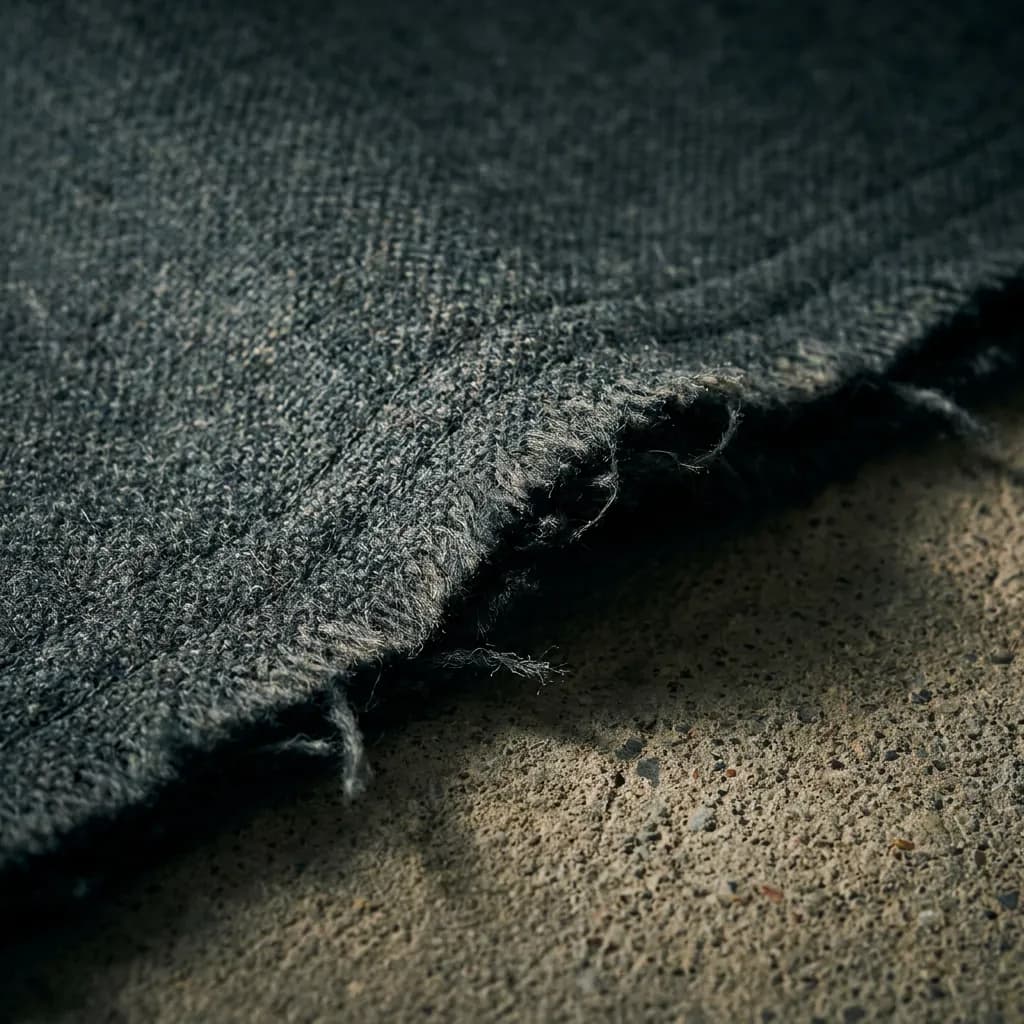
Second, rebalance your product detail page layout. Keep your campaign imagery premium and compliant with the required labels. But pair those assets with high-contrast, macro close-ups of the physical stitching, pocket joins, and material weave. When a consumer zooms in and sees the real, physical structure of the cotton or wool, the psychological distrust of the "AI Generated" warning vanishes.
Quick Take: Surviving the New AI Laws
- Protect the product: Only use AI tools that isolate the model and background, keeping the physical garment 100% unaltered.
- Provide high-contrast proof: Pair labeled synthetic photos with rich, unedited close-ups of physical fabric details.
- Ensure clean lighting: Match the shadows on the physical garment to the virtual model's background to avoid visual discord.
Where Modelfy Secures Your Storefront
This is where purpose-built, B2B fashion platforms like Modelfy fit into the modern compliant storefront. Modelfy does not generate simulated clothing. It is built entirely on a garment-preserving neural pipeline.
You upload your actual physical garment photo, shot as a basic flat-lay or ghost mannequin capture. Modelfy's algorithms map that physical garment onto photorealistic, anatomically correct models. The skin has natural pores, the lighting is dynamically calculated to match the background environment, and the drape of your physical fabric is preserved without a single millimeter of distortion.
Because the product remains 100% physically authentic, the "AI Model" disclosure label no longer threatens storefront conversions. You get the scale and budget benefits of automation while giving your buyers absolute visual authority.
The Outlook
Over the next twelve months, the mandatory labeling of AI-generated content will become standard across all major global markets. Brands that rely on cheap, deceptive generative tools that warp and drift physical garments will be wiped out by a combination of platform penalties, high return rates, and consumer boycotts.
The future of digital merchandising belongs to hybrid workflows. The brands that win will preserve the speed and cost-efficiency of AI while maintaining absolute, uncompromised product fidelity. By keeping your clothing real and your visual pipeline compliant, you can build a storefront that shoppers trust implicitly.
If you are ready to build a high-converting, fully compliant visual catalog, start generating high-converting campaign assets with Modelfy today.

Modelfy Team
Read More
Related Insights
Deep dive into more AI fashion photography guides and industry shifts from the Modelfy team.

Your Product Page Hero Image Is Losing You 34% in Conversions
Static flat-lays and sterile white studio hero images kill apparel conversions. Here is what A/B testing 500 PDPs revealed about visual hierarchy.

Why a $5,000 Photoshoot Only Gives You 14 Days of Meta Ads
Meta algorithms burn fashion photoshoot assets in 14 days. Here is why creative velocity determines your ROAS and how to scale ad creative.

Stop Waiting for Factory Samples. It's Costing You $8,400 a Drop.
Waiting weeks for overseas factory samples is killing your store's momentum. Discover how garment-first AI cuts time-to-market by 90%.