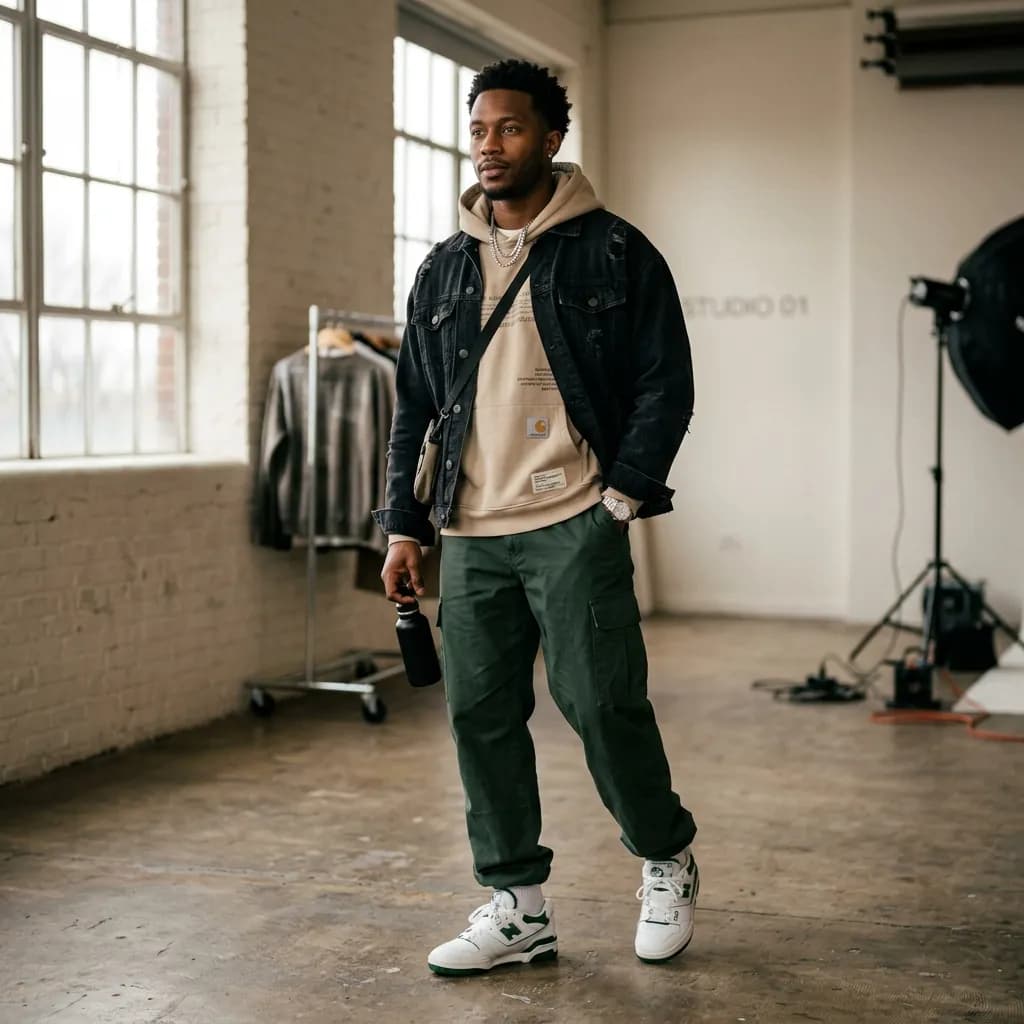
Why Virtual Models are Replacing Ghost Mannequins
Ghost mannequin photography is slow and expensive. Learn why top e-commerce brands are switching to AI virtual models to increase conversion rates.
The Standard Methodology of Apparel Merchandising
For over a decade, ghost mannequin photography has served as the baseline for online fashion retail. Also known as invisible mannequin photography, this technique involves placing a garment on a physical mannequin, shooting it from multiple angles, and then performing tedious digital post-processing. Retouchers manually merge the photos, removing the neck joint and body form to create the illusion that the clothes are floating in mid-air.
While this approach renders the shape of the clothing cleaner than a simple flat lay, it introduces significant operational challenges. It is expensive, slow, and fails to build the emotional connection required to drive modern B2B and B2C sales.
As e-commerce merchants search for faster ways to scale their product catalogs, the limitations of traditional photography are forcing a shift toward AI-powered virtual models.
The Limitations of Ghost Mannequin Photography
Maintaining a high-quality product feed using legacy methods requires continuous investments of time and capital. Brands faces three specific bottlenecks when relying on ghost mannequin photography.
High Labor Costs
Creating a single ghost mannequin image is labor-intensive. Photographers must set up specialized lighting, style the garment on a physical mannequin, and take multiple interior and exterior photos. The resulting RAW files are then sent to specialized retouchers who charge per image to build the clipping paths and remove the mannequin. For a catalog with hundreds of SKUs, these costs scale linearly, making it difficult for mid-sized brands to maintain profitability.
Slow Production Pipelines
The logistical chain of physical photography is rigid. Even a small catalog update requires shipping physical garments to a studio, scheduling shoots, editing the files, and waiting for delivery. This process can take anywhere from three days to two weeks. In fast fashion and dropshipping, this delay directly translates to lost market opportunity and slow inventory turnover.
Zero Fit Context
A hollow, floating garment offers no sense of scale, drape, or styling inspiration. Customers cannot see how the fabric conforms to a moving human body, how a jacket falls on shoulders, or how a shirt fits different torso builds. This lack of context leaves buyers guessing, leading to cart abandonment and higher return rates due to incorrect fit expectations.
Enter the Virtual Model Generator
Virtual model generators are disrupting this paradigm by replacing the manual editing process with machine learning models. Instead of hiring retouchers to remove a mannequin, brands are using specialized AI architectures like Modelfy to generate realistic human models directly on top of basic apparel shots.
The algorithm analyzes the texture, fabric drape, and contours of the uploaded garment, then seamlessly generates a photorealistic model wearing the piece in a modern environment. This approach bridges the gap between clean product shots and high-end editorial campaigns.
Comparing the Two Methods
To evaluate the operational differences, it is useful to compare the key metrics of legacy ghost mannequin shoots against AI-driven model generation.
| Metric | Ghost Mannequin | AI Virtual Model |
|---|---|---|
| Production Speed | 3 to 7 days per batch | Under 2 minutes per SKU |
| Cost per SKU | High ($15 to $50) | Extremely low (included in subscription) |
| Model Diversity | None (hollow garment representation) | Infinite (select ethnicity, age, and fit) |
| Conversion Rate | Standard baseline | Up to 35% higher due to emotional trust |
By shifting from manual masking to automated generation, brands achieve a highly scalable content workflow that can keep pace with real-time digital marketing demand.
Why E-commerce Brands are Upgrading
The decision to migrate from ghost mannequins to virtual models is driven by core conversion optimization.
Conversion Rates and Visual Trust
Online conversion rates depend heavily on trust. While ghost mannequins display the technical details of a garment, they lack human appeal. Placing clothing on realistic AI fashion models creates a premium, high-value brand image. Seeing a model style the garment helps customers visualize the lifestyle associated with the brand, increasing engagement and conversion rates.
Localization and Demographics Customization
With traditional photography, shooting the same shirt on different models to target diverse demographics is cost-prohibitive. AI virtual models solve this. E-commerce store owners can generate diverse models representing different ethnicities, ages, and body builds for a single garment. This lets brands serve personalized content to different customer segments, improving regional conversion rates.
Drastic Cost Reduction
By removing the need for professional editors, studio hire, and model agency bookings, virtual model generators offer a dramatic return on investment. Marketing teams can redirect their budgets from production costs directly into paid acquisition campaigns.
How to Migrate to AI Models
Transitioning your catalog to AI-generated models is a straightforward, four-step process.
1Shoot the physical apparel
Capture a standard flat lay or use a basic mannequin. There is no need to hire professional editing crews to mask out the stand or build complex clipping paths.
2Upload to Modelfy
Import your images directly into the Modelfy dashboard. The apparel-first AI algorithm automatically extracts the garment bounds and maps its texture.
3Select model demographics
Configure your target models. You can choose specific ethnicities, age ranges, and build styles, then place them in high-end studio or lifestyle environments.
4Export optimized assets
Download the generated high-resolution WebP images. They are instantly ready for your Shopify product catalog or digital advertising campaigns.
The Future of Apparel Merchandising
The fashion industry has reached a tipping point where digital efficiency is overtaking legacy physical logistics. Relying on ghost mannequins keeps brands tied to slow schedules and high costs, limiting growth.
Embracing AI-driven model generators lets you streamline content creation, display realistic fit representations, and personalize your product presentation at scale.
If you are ready to modernize your e-commerce operations, start generating flawless campaigns with Modelfy today.

Haziq Qasmi
Read More
Related Insights
Deep dive into more AI fashion photography guides and industry shifts from the Modelfy team.
Your Secondary Colorways Are Quietly Bleeding Your Margins
Shooting every colorway on-model burns cash, but ghost flats crater sales. Here is the multi-SKU photography math draining your Shopify margins.

Your Product Page Hero Image Is Losing You 34% in Conversions
Static flat-lays and sterile white studio hero images kill apparel conversions. Here is what A/B testing 500 PDPs revealed about visual hierarchy.
Why a $5,000 Photoshoot Only Gives You 14 Days of Meta Ads
Meta algorithms burn fashion photoshoot assets in 14 days. Here is why creative velocity determines your ROAS and how to scale ad creative.