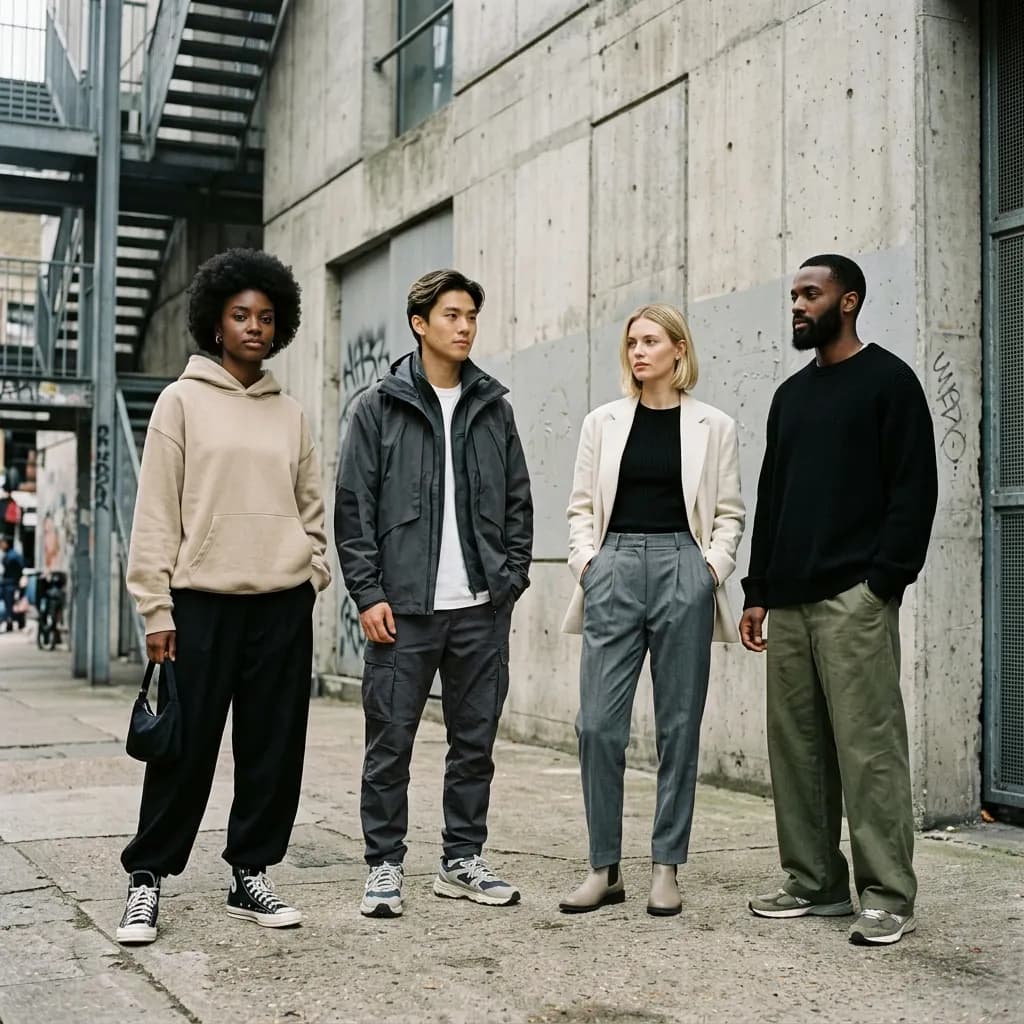
Why Streetwear Brands are Launching Collections in Half the Time
Learn how modern streetwear brands are bypassing traditional photoshoot delays and launching new clothing collections in days instead of weeks using AI.
The Speed Bottleneck in Streetwear Merchandising
In the fast-moving world of modern streetwear, speed is the ultimate competitive advantage. Streetwear brands thrive on short product life cycles, limited-edition drops, and real-time social media trends. Unlike traditional fashion brands that plan collections months or even years in advance, streetwear relies on capturing immediate cultural hype.
However, the traditional content production pipeline creates a massive bottleneck. A brand might design a new graphic hoodie or cut-and-sew cargo pants in a week, but getting that product to market takes weeks or even months. The delay is not in the manufacturing, it is in the photography.
Traditional photoshoots require physical samples to be shipped, models to be cast, locations to be booked, and photographers to be scheduled. This slow, linear process delays the collection launch, increases time to market, and drains valuable capital. For independent streetwear brands trying to scale, this delay is often fatal.
To survive and grow, forward-thinking streetwear brands are restructuring their merchandising workflow. By replacing physical photo sessions with generative AI models, these brands are launching collections in days instead of weeks, capturing trends while the hype is at its peak.
Why Traditional Photoshoots Fail the Hype Cycle
To understand the shift toward digital content creation, it is necessary to examine why the traditional photoshoot model fails the streetwear business model.
Streetwear marketing is driven by visual consistency and cultural relevance. A brand cannot post basic flat-lay images of a new collection on Instagram and expect to build a community. Customers buy streetwear based on the lifestyle and identity represented by the models. This means streetwear brands require high-quality, on-model lifestyle photography for every single product drop.
But executing a professional on-model shoot involves a massive operational footprint:
- Sample Logistics: Brands must wait for physical production samples to arrive before they can schedule a shoot. If a sample is delayed or has sizing errors, the entire shoot must be rescheduled.
- Weather and Location Constraints: Streetwear is typically shot outdoors in urban environments. Weather changes, permit issues, and scheduling conflicts can ruin a shoot day and delay the launch by weeks.
- High Initial Capital: Booking models, camera crews, lighting directors, and editors costs thousands of dollars per drop. For a brand launching drops bi-weekly, this upfront cost is unsustainable.
- Post-Production Lag: After a shoot is finished, editors spend days or weeks retouching images, correcting colors, and cleaning up background details. By the time the final images are ready, the social media trend may have passed.
Because of these limitations, traditional shoots are too slow, too expensive, and too rigid for the modern hype cycle. Streetwear brands need a content pipeline that matches the speed of their design process.
How AI Models Accelerate the Launch Process
Generative AI technology is solving the speed problem by digitizing the photoshoot workflow. Instead of waiting for physical samples and booking a camera crew, brands can now generate professional, campaign-ready on-model imagery directly from a digital design or flat-lay photo.
This transition from physical setups to software-driven generation eliminates the dependency on logistics, weather, and scheduling. Streetwear brands can now produce high-end content in minutes, allowing them to test products and launch collections at unprecedented speed.
Here is the exact step-by-step process modern brands use to generate high-converting visuals:
1 Upload the Flat Garment
Start by uploading a high-resolution flat lay, ghost mannequin photo, or a digital mockup of your streetwear garment. Ensure the lighting is clean and even to guarantee the algorithm captures the fabric texture and print details accurately.
2 Define the Model and Environment
Select your model parameters, including ethnicity, age, height, and build. Choose an environment that aligns with your brand identity, such as a concrete skatepark, a clean minimalist studio, or an urban alleyway at dusk.
3 Generate and Launch
Run the generation model. In under 30 seconds, the system will output hyper-realistic, on-model lifestyle images. Download the high-resolution files and upload them directly to your Shopify store or use them as ad creatives.
By using this digital workflow, brands can bypass the logistical bottlenecks of physical photography, reducing their launch timeline from weeks to minutes.
The Operational Shift in Modern Streetwear
The impact of AI model generation goes beyond saving time; it completely changes the economics of clothing brand content production.
Let us compare the operational difference between the traditional photoshoot model and the Modelfy AI workflow.
| Operational Metric | Traditional Photoshoot | Modelfy AI Workflow |
|---|---|---|
| Time to Market | 2 to 4 Weeks | Under 5 Minutes |
| Upfront Cost | High ($2,000 - $8,000 per shoot) | Low (Flat monthly subscription) |
| Model Diversity | Limited by casting and budget | Unlimited (Switch sizes and ethnicities instantly) |
| Background Variety | Limited to booked locations | Infinite (Render models in any setting) |
| Testing Capacity | Low (Cannot test without physical samples) | High (Test designs before production) |
This operational shift allows independent streetwear brands to run agile campaigns that were previously only possible for multi-billion dollar retailers with dedicated, full-time studio teams.
Building a Brand Identity Without Cameras
A common concern among streetwear founders is whether AI-generated images can maintain the gritty, authentic brand identity that defines streetwear culture. The worry is that AI might produce images that look too polished, sterile, or disconnected from the community.
However, the latest generation of apparel-focused AI models is designed specifically to capture realistic textures, ambient lighting, and natural human poses. Unlike generic art generators that produce cartoonish or overly smoothed results, dedicated platforms like Modelfy focus on preserving the physical reality of the garment.
Streetwear brands can build and maintain a strong brand identity without cameras by following three principles:
Maintain Consistent Environments
Select two or three urban backdrops that represent your brand's aesthetic and stick to them across your entire catalog. Consistency in lighting and background build visual trust on your product pages, making the shopping experience feel cohesive and intentional.
Embrace Diversity in Body Types
Streetwear is built on inclusivity. Use AI to show your designs on diverse models of various heights and sizes. When customers see how a graphic tee or oversized hoodie drape on a model with proportions similar to their own, purchase hesitation decreases and return rates drop.
Optimize Your Ad Creative Testing
Use the speed of generative AI to run creative testing at scale. Generate multiple variations of the same product shot with different models and backgrounds, run them as social media ads, and let the data tell you which aesthetic resonates most with your target audience.
Frequently Asked Questions
Does Modelfy preserve high-definition print details? No. Standard image generators distort text and logos, but Modelfy employs strict garment-retention mapping. It retains the exact vector lines, scale, and placement of your prints without distortions.
Can I use AI models to test designs before manufacturing? Yes. Many streetwear brands use Modelfy to generate campaign images for pre-orders or to test designs on social media before committing capital to manufacturing. This reduces inventory risk and allows brands to manufacture only what is already proven to convert.
How does time to market affect streetwear conversion rates? Time to market is critical. Streetwear shoppers are highly sensitive to trends. If a design goes viral on TikTok and it takes you four weeks to produce marketing photos, the interest will have faded. Launching the collection in under 24 hours allows you to capture that traffic immediately, leading to a much higher conversion rate.
Launch your next streetwear collection instantly with Modelfy.

Haziq Qasmi
Read More
Related Insights
Deep dive into more AI fashion photography guides and industry shifts from the Modelfy team.
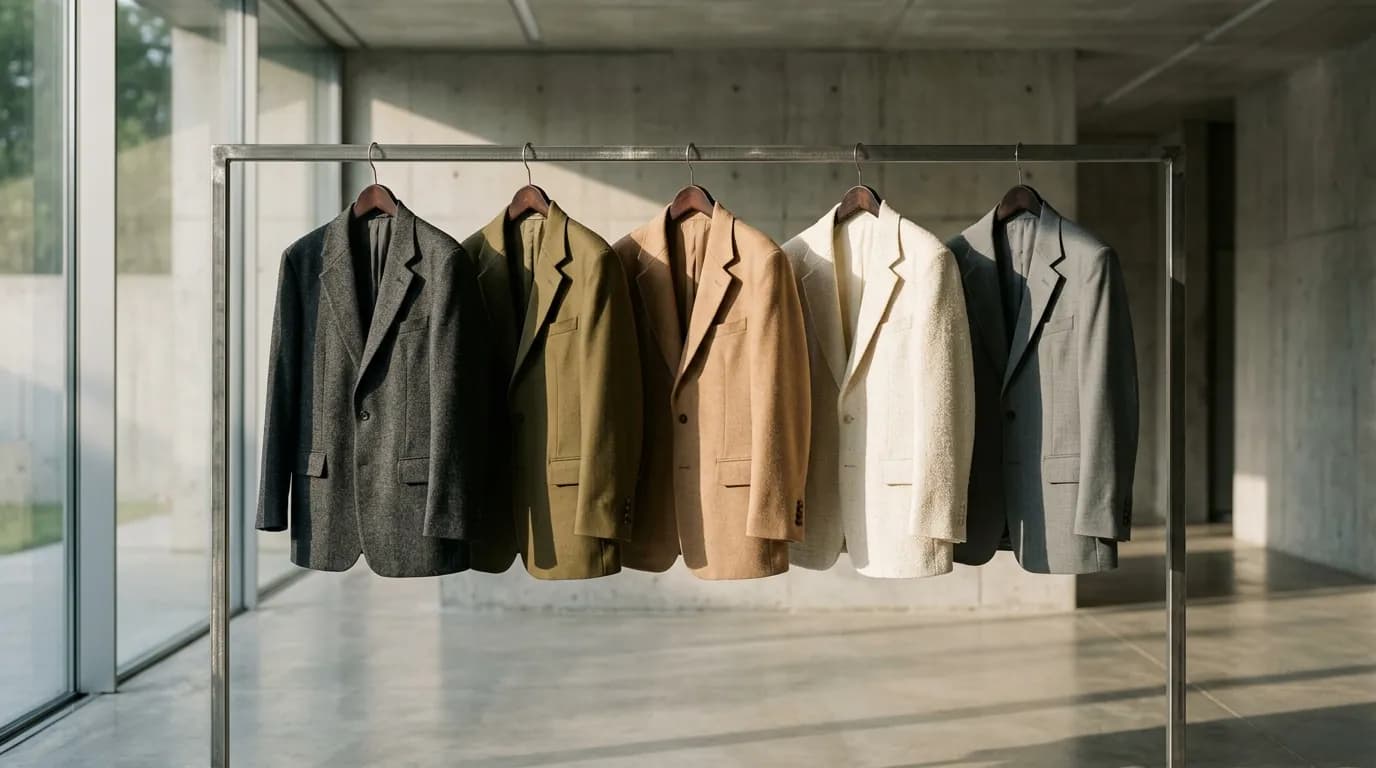
Your Secondary Colorways Are Quietly Bleeding Your Margins
Shooting every colorway on-model burns cash, but ghost flats crater sales. Here is the multi-SKU photography math draining your Shopify margins.

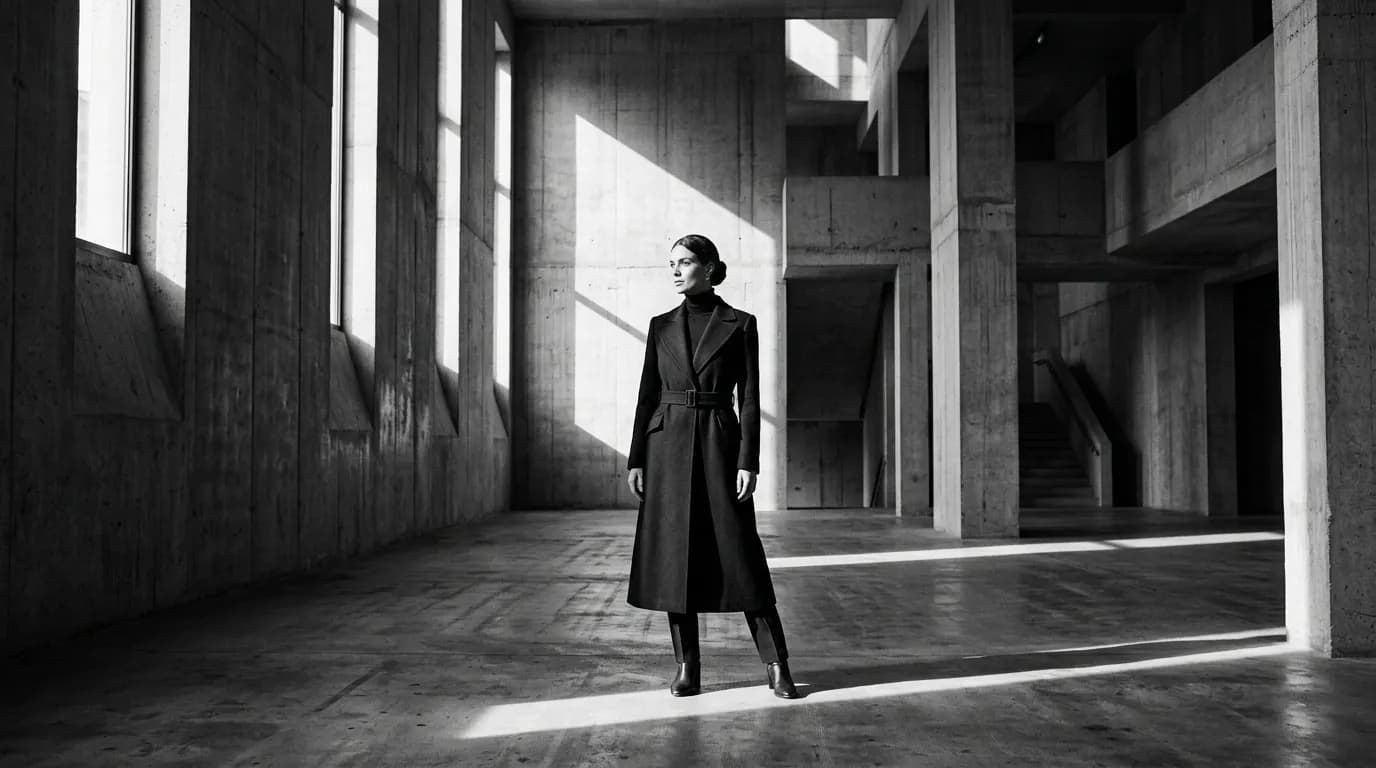
Your Product Page Hero Image Is Losing You 34% in Conversions
Static flat-lays and sterile white studio hero images kill apparel conversions. Here is what A/B testing 500 PDPs revealed about visual hierarchy.
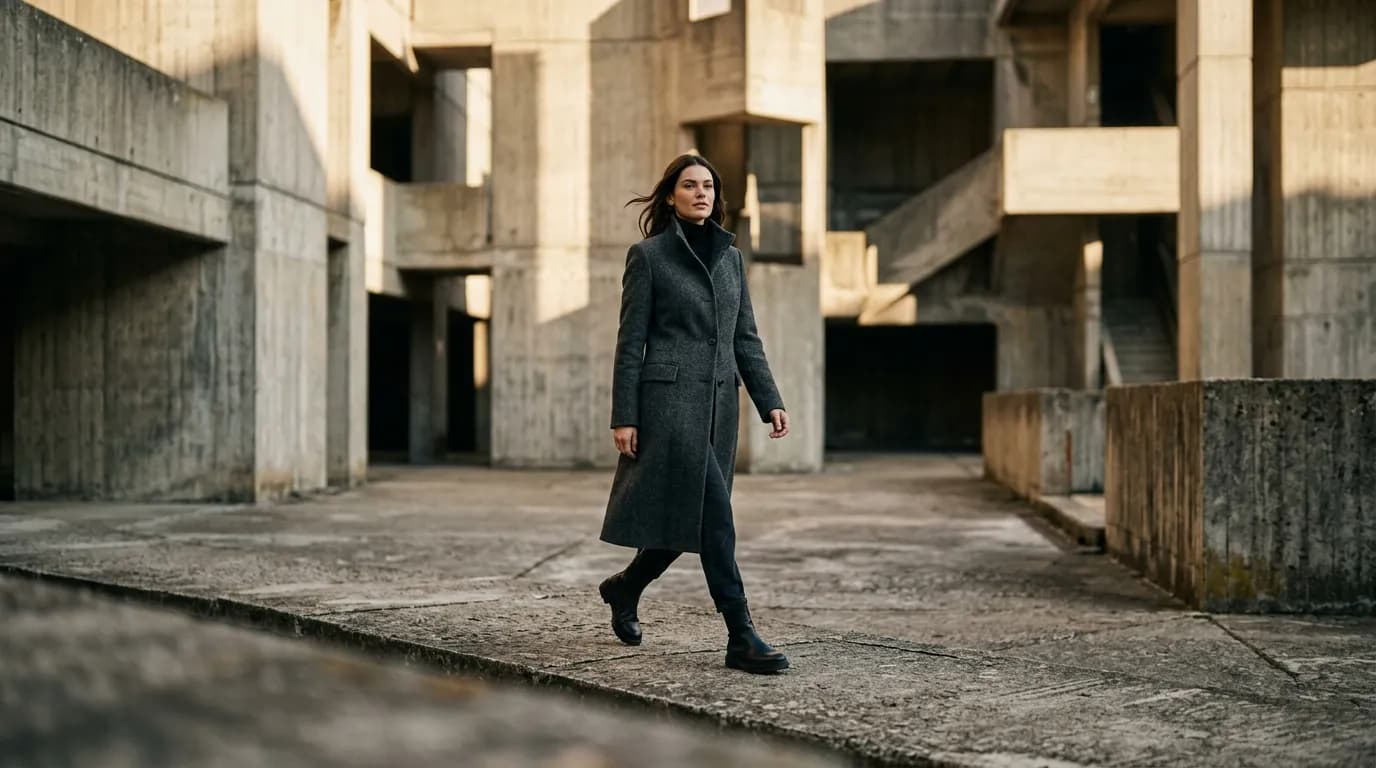
Why a $5,000 Photoshoot Only Gives You 14 Days of Meta Ads
Meta algorithms burn fashion photoshoot assets in 14 days. Here is why creative velocity determines your ROAS and how to scale ad creative.