
Why E-commerce Brands Face Backlash for Cheap AI Models
Cheap generative AI models are triggering consumer backlash. Learn how premium Shopify brands use garment-preserving AI to scale without losing trust.
The Authenticity Crisis in Digital Retail
During the first half of 2026, venture capital continues to flood the e-commerce infrastructure sector, reflecting a mature software market. In early 2026, venture capital firms invested over 620 million dollars into e-commerce AI and retail automation startups. For example, Swap Commerce raised a 100 million dollar round, and ZyG secured a 58 million dollar seed round to automate operational workflows for direct-to-consumer brands.
Despite these massive capital flows, e-commerce brands are facing a silent crisis: consumer backlash against cheap-looking, generic artificial intelligence generated imagery. When Vogue US featured a Guess advertisement starring an entirely synthetic model in August 2025, it triggered widespread social media backlash, boycotts, and canceled subscriptions. Critics argued that the campaign promoted unrealistic beauty standards and devalued creative labor. A similar crisis occurred in February 2026 when Gucci released synthetic promotional imagery for its Milan Fashion Week show, only to be mocked by consumers who labeled the visuals "cheap" and "AI slop".
These controversies highlight a growing tension in modern retail. Brands are eager to reduce production costs, but consumers are punishing those that outsource their creative identity to generic algorithms. E-commerce is fundamentally built on visual trust. When a brand uses low-quality synthetic media, it signals to the consumer that the physical product may be equally lacking in quality. For premium brands, the visual asset is the product. Compromising the aesthetic integrity of the storefront directly damages the brand's cultural capital.
Why General Diffusion Models Fail the Product Test
The backlash against synthetic fashion campaigns is not merely a social phenomenon. It is driven by mechanical failures inherent to generic generative AI architectures. Platforms like Midjourney or base Stable Diffusion models are optimized for artistic variation, not for product replication.
When a general diffusion model receives an instruction to render a physical garment onto a human subject, it does not preserve the physical features of the clothing. Instead, it reinterprets them. The neural network analyzes the input pixels and generates a new set of pixels based on statistical patterns. During this process, the algorithm introduces small, compounding deviations:
- Fabric textures are smoothed or modified, turning structured wool into polyester.
- Stitching patterns, collar placements, and seam lines are warped.
- Button patterns and zipper configurations are distorted.
- Brand logos and labels are altered into illegible artifacts.
This phenomenon is known as garment drift. While minor pixel shifts are acceptable in creative mood boards or conceptual social media graphics, they represent a significant legal and financial liability on an e-commerce storefront. E-commerce is a visual contract between the brand and the buyer. When a customer purchases a shirt, they expect the exact seam lines, collar width, and fabric weight shown on the model. If the physical product arriving in the mail does not match the online representation, the consumer returns the item.
The Hidden Return Cost of Storefront Inaccuracy
Apparel e-commerce return rates have historically hovered between 20 percent and 30 percent. However, with the introduction of low-quality, generic AI imagery on product detail pages, some retailers have watched return rates climb past 35 percent.
Sizing and fit uncertainty are already responsible for up to 75 percent of all apparel returns. When brands introduce visual discrepancy by using generic AI tools, they compound this problem. In fact, retail statistics indicate that visual discrepancy between product photos and physical inventory is responsible for over 60 percent of apparel returns.
The financial cost of processing these returns is unsustainable. The true cost of a single returned garment includes outbound shipping, reverse logistics, warehouse inspection, repackaging labor, and inventory depreciation. When these costs are aggregated, processing a return costs the merchant roughly 66 percent of the original product's retail price.
This leads to a critical contrarian insight: the cheapest visual asset production is often the most expensive storefront liability.
Merchants who save 5,000 dollars on a physical photoshoot by generating cheap, distorted AI images often lose 50,000 dollars in reverse logistics and lost customer lifetime value. High-volume content generation is worthless if it drives a high-volume return funnel. To protect profit margins, Shopify brands must transition to a visual pipeline that guarantees perfect garment preservation.
Page Breaks and Visual Craftsmanship
To appreciate how high-fidelity visual assets build customer confidence, consider the close-up representation of product details. In a high-converting storefront, visual clarity must remain absolute, showing the exact texture and weight of the material under realistic lighting.
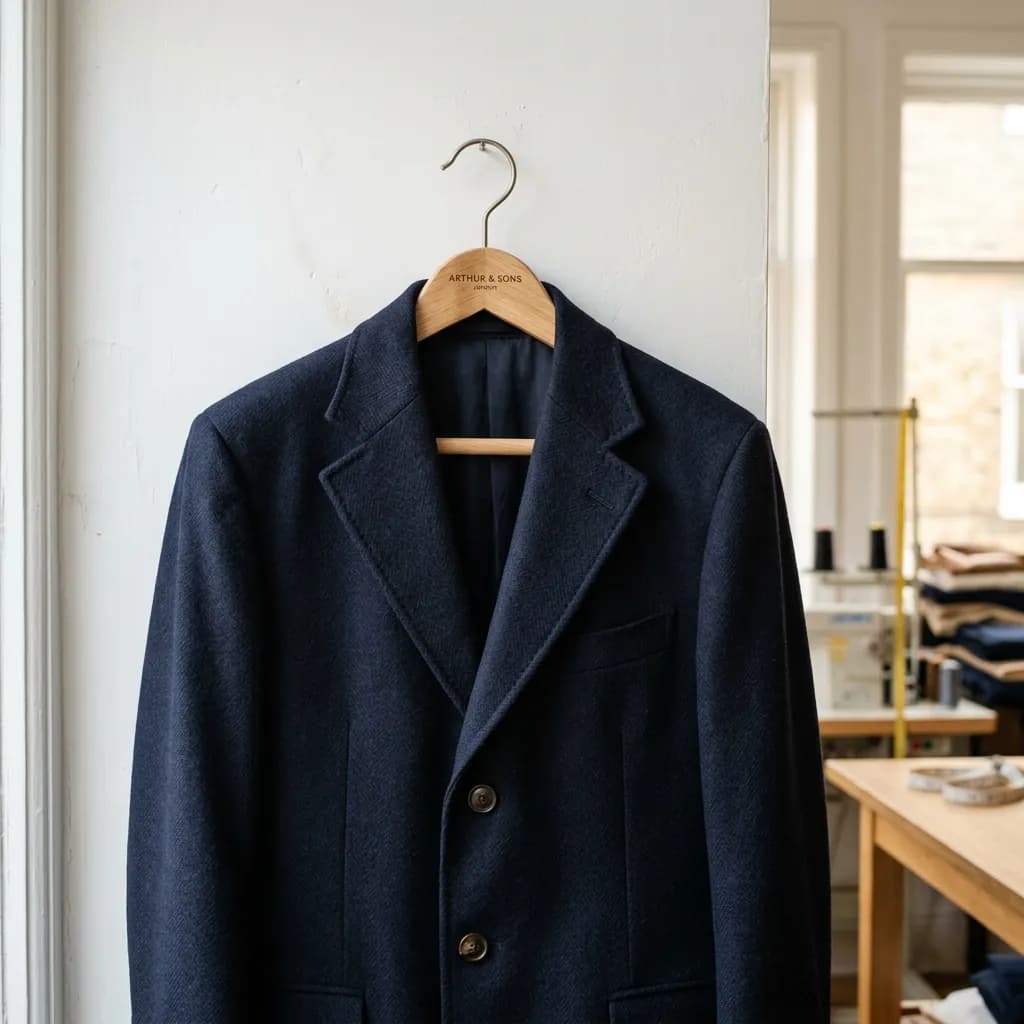
When consumers view standard product detail pages, they zoom in to evaluate fabric quality. If they encounter blurred textures or distorted seams, they immediately assume the garment is cheap. High-fidelity rendering is the only way to replicate the sensory experience of touch in a digital workspace.
Surviving the Uncanny Valley
Beyond product accuracy, brands face a psychological hurdle when using synthetic imagery: the uncanny valley. The human brain is highly sensitive to facial symmetry and skin textures.
Generic AI generators produce faces with perfect, mathematical symmetry and plastic-like skin. In human psychology, perfect facial symmetry is perceived as artificial. When a shopper encounters these features, they subconsciously feel the image looks fake, which immediately undermines their trust in the brand.
Furthermore, general image generators often fail to match the lighting physics between the model and the environment. The AI might cast a highlight on the subject from the left, while the background suggests the sun is shining from the right. This inconsistency creates a visual mismatch that immediately signals digital manipulation.
To survive the authenticity crisis, AI-generated imagery must be indistinguishable from human photography. This requires:
- Asymmetrical facial styling to mimic natural human variation.
- Realistic skin texture mapping, including pores, fine lines, and natural blemishes.
- Dynamic lighting calculations that unify the subject and the background.
Comparing the Aesthetic and Operational Approaches
To understand how different visual production methods impact e-commerce operations, consider the comparative metrics below.
| Aesthetic Metric | Generic Diffusion Renders | Traditional Studio Shoots | Modelfy Garment-Preserving AI |
|---|---|---|---|
| Product Fidelity | Low (warps seams, logos, textures) | Perfect (exact camera capture) | Perfect (100% detail mapping) |
| Aesthetic Perception | Synthetic (often flagged as AI slop) | Premium (human artistry) | Premium (photorealistic and authentic) |
| Anatomical Accuracy | Variable (anatomical errors and plastic skin) | Perfect (real human subjects) | Realistic skin pores and proportions |
| Return Rate Impact | High return rates due to discrepancies | Baseline industry return rate | Reduces sizing returns up to 64% |
By choosing the garment-preserving pipeline, merchants maintain the speed and cost advantages of software without risking the visual trust of their brand.
How Garment-Preserving AI Secures Storefront Trust
To bridge the gap between production speed and aesthetic accuracy, purpose-built fashion AI platforms have developed specialized garment-preserving neural networks. Instead of generating a new garment based on a text prompt, these architectures isolate the original product image and map it onto virtual models using advanced texture locking.
Modelfy employs this methodology to preserve the exact details of the physical product.
When you upload a flat-lay or ghost mannequin photo to Modelfy, the platform's proprietary algorithms lock the fabric coordinates, pattern scales, and stitching lines. The garment is kept entirely intact. The AI then generates the model's face, body build, skin textures, and environment around the garment, calculating realistic lighting angles and fabric tension.
By separating the garment rendering from the creative generation, Modelfy eliminates the risk of garment drift. The final product photo remains 100 percent accurate to the physical item in your warehouse. This precision builds consumer confidence, reduces visual discrepancies, and preserves your storefront conversion rate.
Furthermore, this technology allows brands to address sizing uncertainty directly. Rather than booking multiple models for a photoshoot, a single SKU can be rendered instantly on models of different sizes, heights, and ethnicities. Showing these diverse model variations on the product detail page provides buyers with accurate fit context, which has been shown to increase conversion rates by up to 189 percent and reduce sizing returns by up to 64 percent.
Actionable Roadmap for E-commerce Directors
Transitioning your storefront to a garment-first AI workflow requires a systematic strategy. E-commerce teams must audit their visual assets and deploy high-fidelity renders to ensure long-term conversion optimization.
1Audit Visual Assets for Accuracy
Examine all generated assets against the physical inventory. Identify any warped seams, altered patterns, or modified closures. If any discrepancies are found, replace the image immediately to avoid customer returns.
2Map Fabric Weight and Drape
Ensure that your AI generation pipeline accounts for fabric weight and drape. Stiff denim must hang differently than lightweight silk. Accurate drape simulation helps the buyer estimate sizing and structure before purchasing.
3Standardize Catalog Lighting
Keep shadows and light source direction consistent across all SKUs. Mixing warm studio lighting with cool outdoor shots in the same collection creates a disjointed catalog that undermines brand trust.
4Deploy Multi-Demographic Renders
Integrate pre-rendered model variations representing different size options. Let customers see the garment on diverse body builds. This reduces sizing uncertainty, lifting conversions and reducing returns.
Implementing these steps allows Shopify merchants to build a high-performance visual catalog that meets both consumer expectations and logistical requirements.
The Future of Aesthetic Integrity in E-commerce
As the digital landscape evolves, e-commerce discovery is moving toward complete personalization. Product feeds will adapt in real-time to render garments on models matching the user's specific body build and height.
This shift is accelerated by developments like the Model Context Protocol, which enables automated catalog rendering workflows when new inventory arrives in warehouse databases. Furthermore, the release of Shopify Tinker highlights the industry's demand for unified AI-driven merchandising platforms.
However, the foundation of this personalized future remains accuracy. If the AI generator cannot guarantee garment preservation, dynamic storefront personalization will simply generate a higher volume of product returns. Brands that implement garment-preserving AI pipelines today are not only safeguarding their current profit margins, but also preparing their catalogs for the future of automated retail.
By rejecting cheap, generic AI models and embracing high-fidelity, garment-first architectures, premium fashion brands can scale their content production, lower their overhead, and protect their visual trust. The transition is no longer an optional optimization. It is a necessity for storefront survival.
If you are ready to elevate your visual merchandising and build a high-converting catalog, start generating high-converting campaign assets with Modelfy today.

Haziq Qasmi
Read More
Related Insights
Deep dive into more AI fashion photography guides and industry shifts from the Modelfy team.
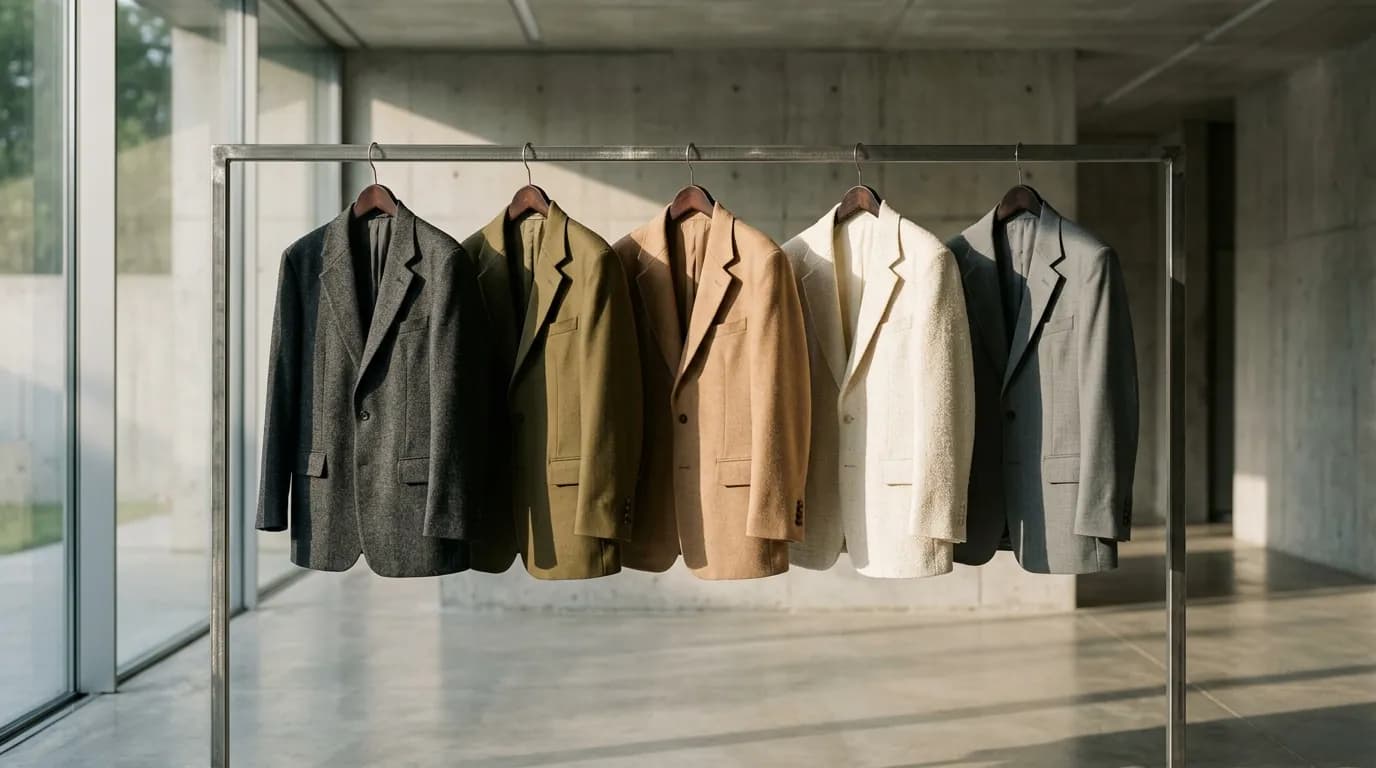
Your Secondary Colorways Are Quietly Bleeding Your Margins
Shooting every colorway on-model burns cash, but ghost flats crater sales. Here is the multi-SKU photography math draining your Shopify margins.

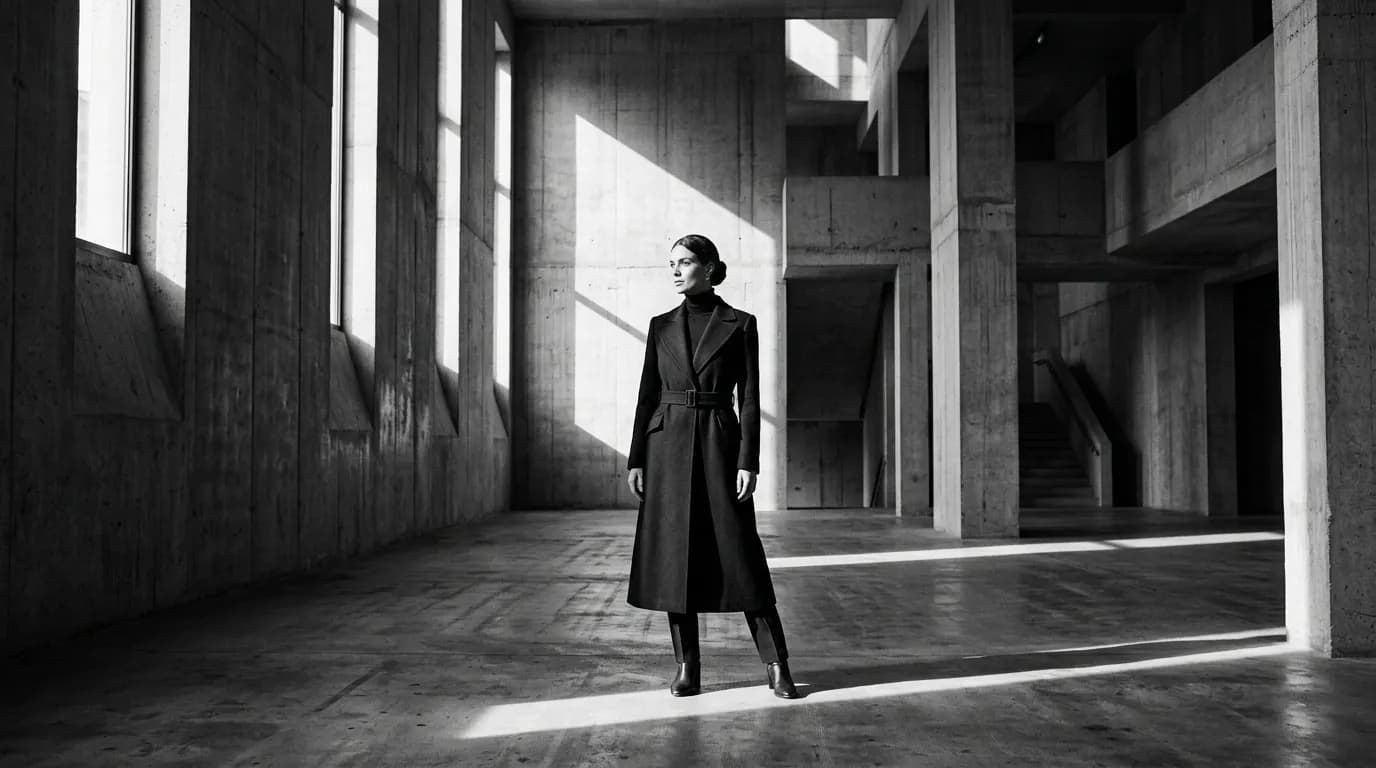
Your Product Page Hero Image Is Losing You 34% in Conversions
Static flat-lays and sterile white studio hero images kill apparel conversions. Here is what A/B testing 500 PDPs revealed about visual hierarchy.
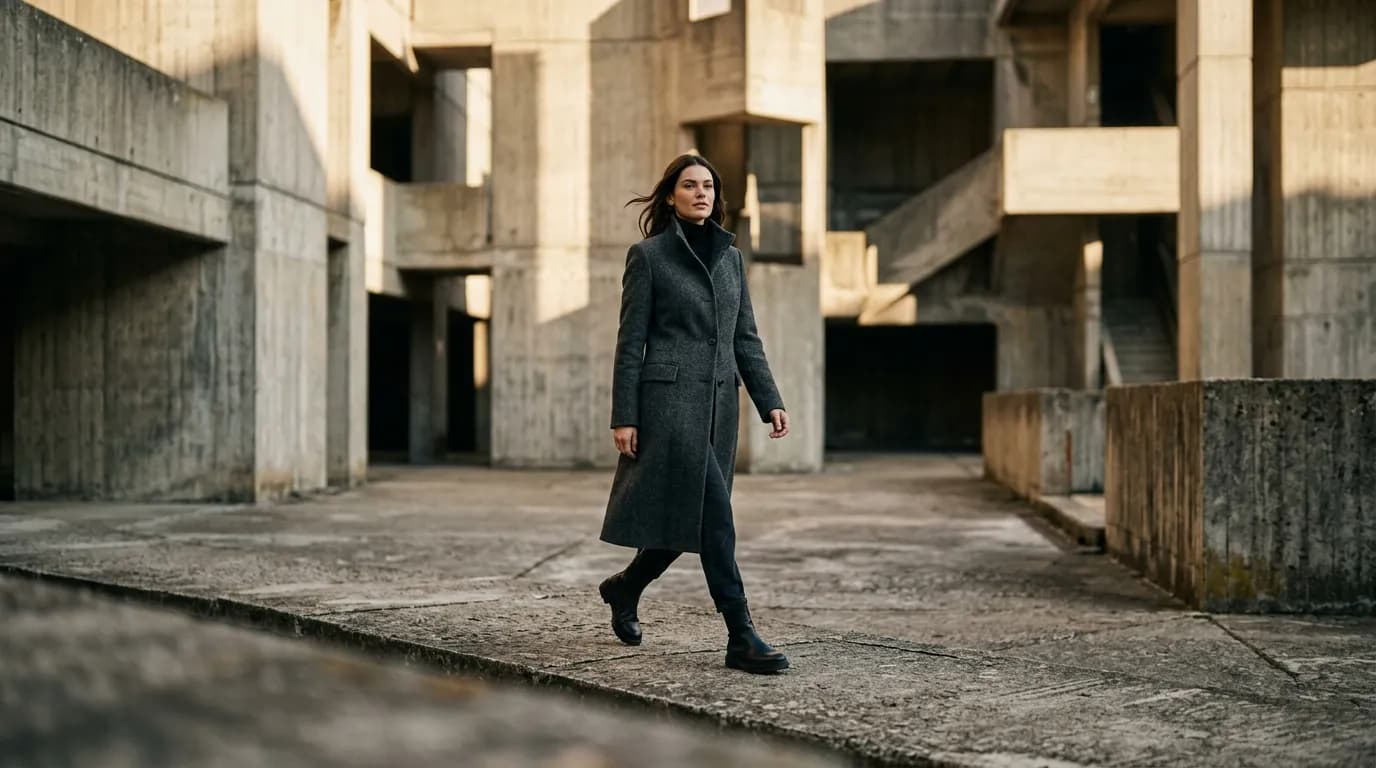
Why a $5,000 Photoshoot Only Gives You 14 Days of Meta Ads
Meta algorithms burn fashion photoshoot assets in 14 days. Here is why creative velocity determines your ROAS and how to scale ad creative.